Permanence of Decay
Thesis Faculty:
Harpreet Sareen, Namreta Kumar, Mani Nilchiani, Ethan SilvermanPermanence of Decay explores the philosophical and technical implications of "digital entropy" by reimagining the computer as a mortal, biological entity rather than an immortal archive. In response to a culture of frictionless, infinite storage, this graduate thesis utilizes physical computing and recursive compression to force personal data to age and transform like human memory. Through a high-friction tactile interface, the project shifts the user’s role from a passive collector to a weary caretaker, requiring active physical labor to maintain the integrity of files that are designed to eventually fade, haunt neighboring data, and ultimately vanish.
What happens when digital data is forced to age and transform like real memories?
In response to a world of frictionless information and immortal storage, this project seeks to reconcile our relationship to the past through an interactive system of controlled erosion.
This thesis imagines a future-computer interaction where the storage device is no longer a silent vault, but a physical body that erodes alongside the data it holds. While the hardware remains, the data within it possesses a finite metabolism—eventually fading until it is gone forever.
YEAR
MEDIA
TOOLS
2026
Physical Computing, Generative Design, Sound Synthesis
ToolsTouchDesigner, Raspberry Pi, Node.js, Ableton Live
THE EROSION
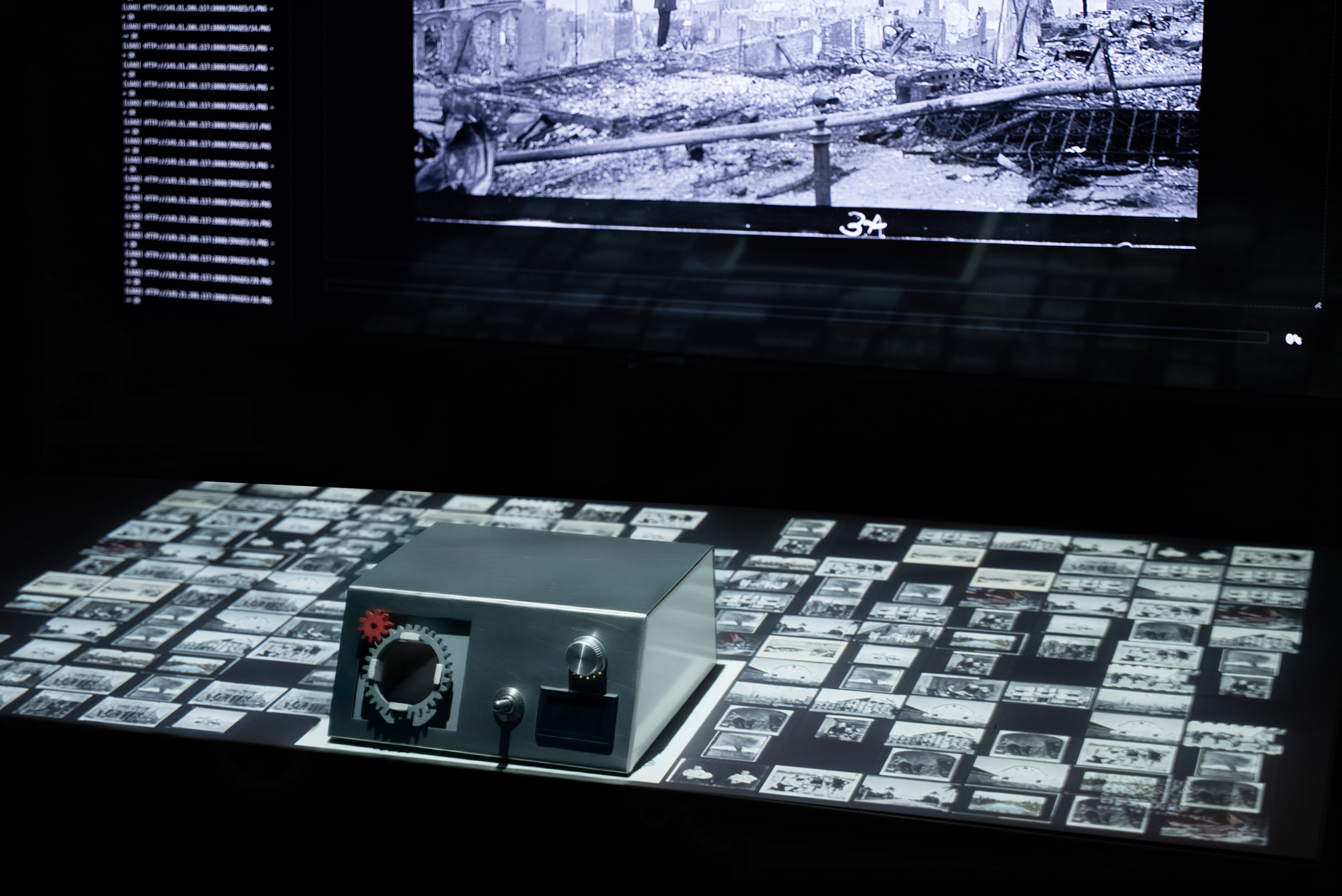
In this project, a recursive compression engine subjects personal data to the laws of entropy. While digital data is typically preserved flawlessly, this system forces it into a state of “bit rot”—the physical mechanism by which electrical charges leak and data corrupts.
As the algorithms loop, they identify the edges of a face or a landscape and pull them apart into “ghost blocks” and falling pixel dust. This decay is not an error, but a material truth; the system holds onto these files, but it cannot keep them still. Slowly, the archive becomes a way to witness the weight of time through the steady accumulation of digital traces.
THE RITUAL
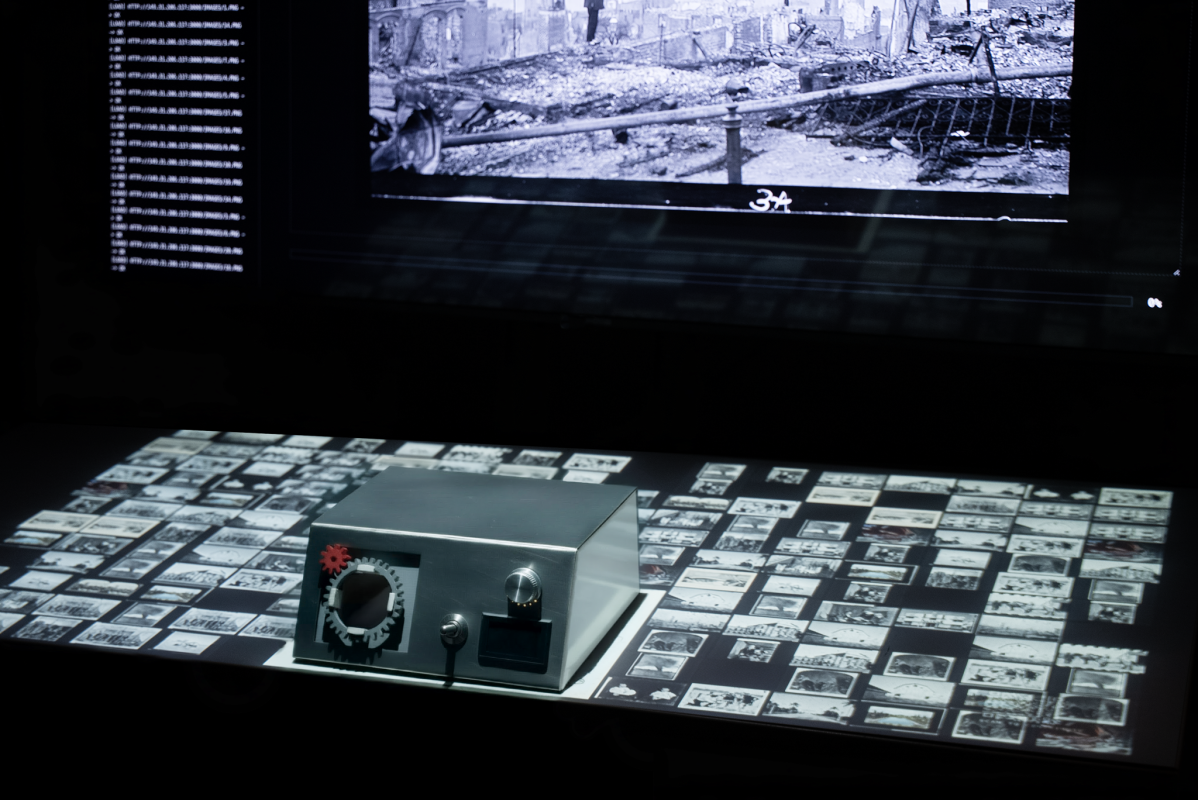
The installation consists of a high-fidelity physical console and a corresponding digital feedback loop that visualizes the archive’s finite budget. The console uses physical controls to force a high-friction interaction, where keeping data alive requires constant, tactile attention.
THE INTERFACE
- Rotary Encoder (Damping): Turning this encoder adds “digital friction” to slow the recompression cycle, signaling a desperate hold on the past.
- Secondary Buttons (Acceleration): Allows visitors to intentionally corrupt data faster, embracing the ritual of destruction.
- QR Capture (The Seed): Visitors contribute new photographs; however, every new upload accelerates the death of the oldest image in the archive.