ReinGuide — Digital Reins for Inclusive Horse-Riding Therapy
Thesis Faculty:
David Carroll, Barbara Morris, Loretta Wolozin, Nancy ValladaresSmart digital reins with gentle haptic feedback — designed to enhance inclusive horse-riding therapy for nonverbal children on the spectrum. Tactile cues replace verbal instruction, creating a calmer, more supportive therapeutic environment.
For Mariana, the lesson ends before it begins
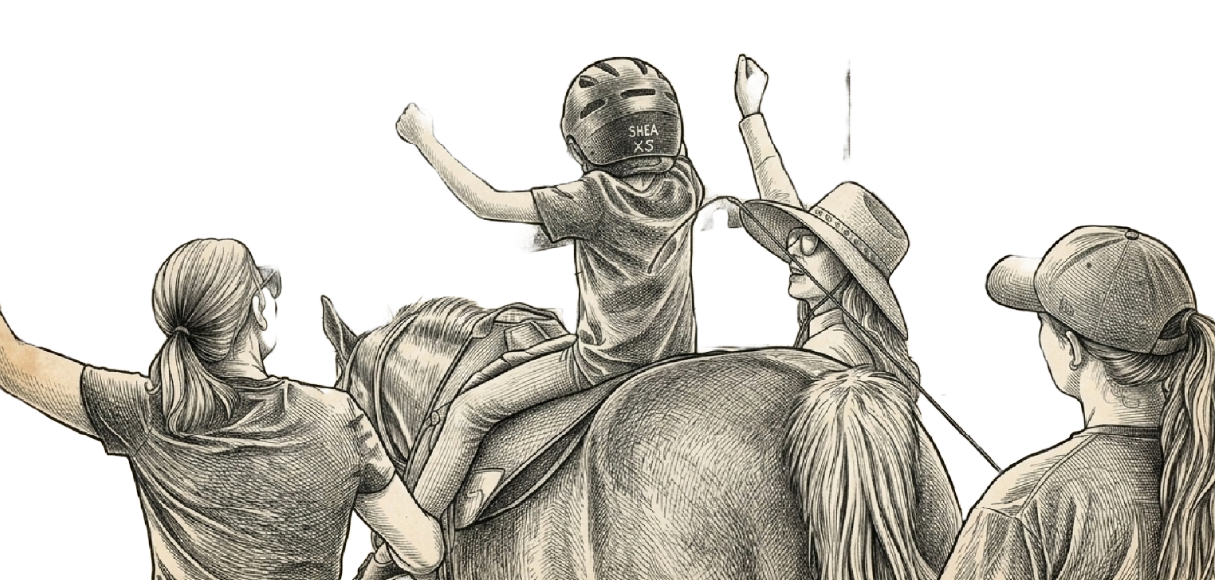
Meet Mariana — a seven-year-old non-verbal autistic girl who loves horses. The warmth of the saddle, the rhythm of the gait, the smell of the arena: these are her favorite things. But the moment her horse slows to a stop, something shifts. The silence between movements is too much. Anxiety spikes, the session ends, and another week passes before she gets to try again.
Equine therapy instructors rely almost entirely on spoken commands — “turn left,” “release the reins,” “slow down.” But Mariana processes the world differently. What if instead of working around her sensory profile, we designed with it? Many of her sensitivities — a heightened awareness of touch, rhythm, and physical presence — are precisely the instincts that make a great rider. The reins are already a communication channel. We just need to make them speak her language.
In a therapeutic horseback riding arena, communication between instructor and rider is almost entirely spoken. The instructor calls out “forward,” “left,” “right,” “whoa”—and the rider responds, body adjusting, reins shifting, weight redistributing across the saddle. For most riders, this verbal-to-physical translation happens quickly, almost automatically. For a non-verbal autistic child, it may not happen at the same speed, or it might not happen at all.
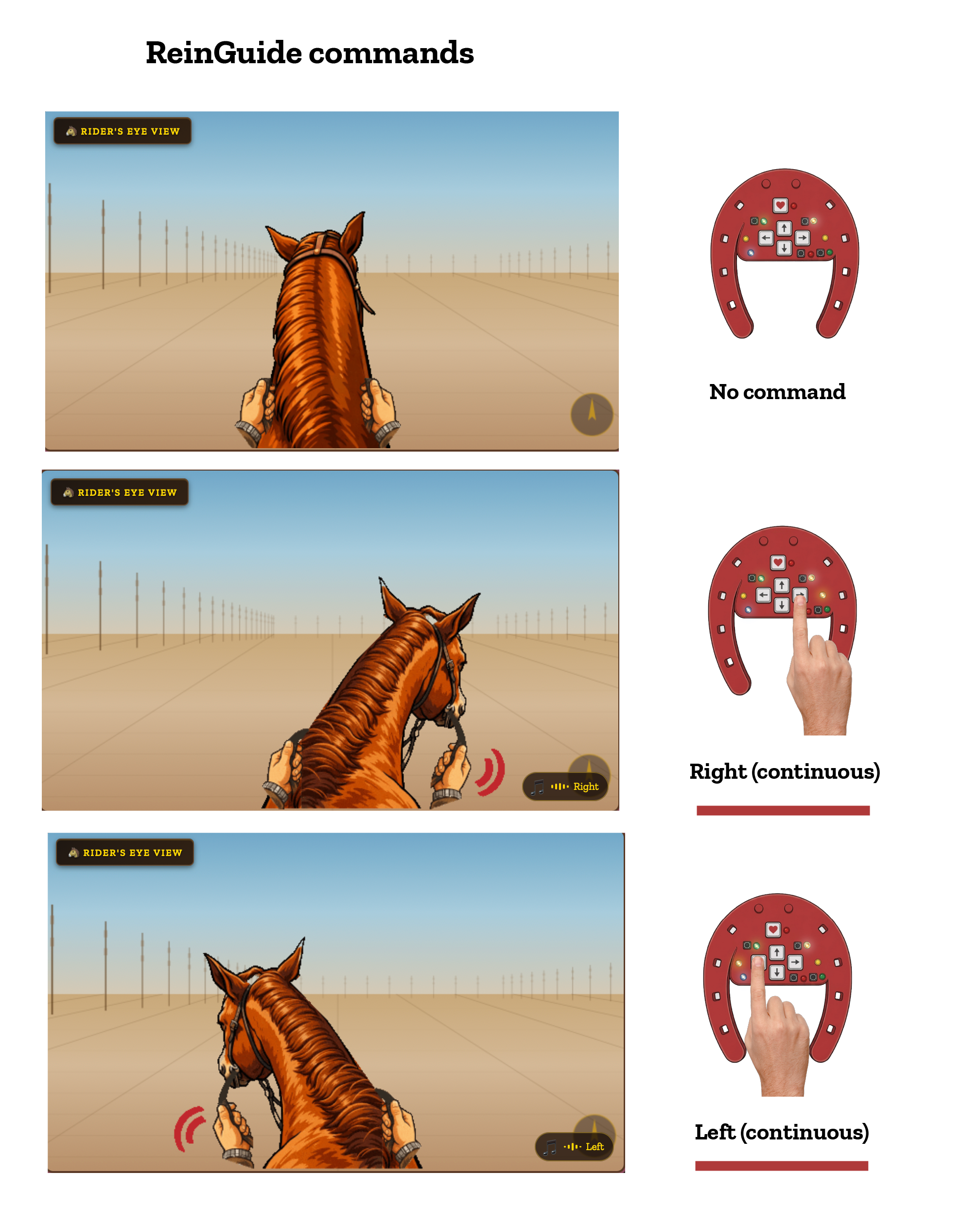
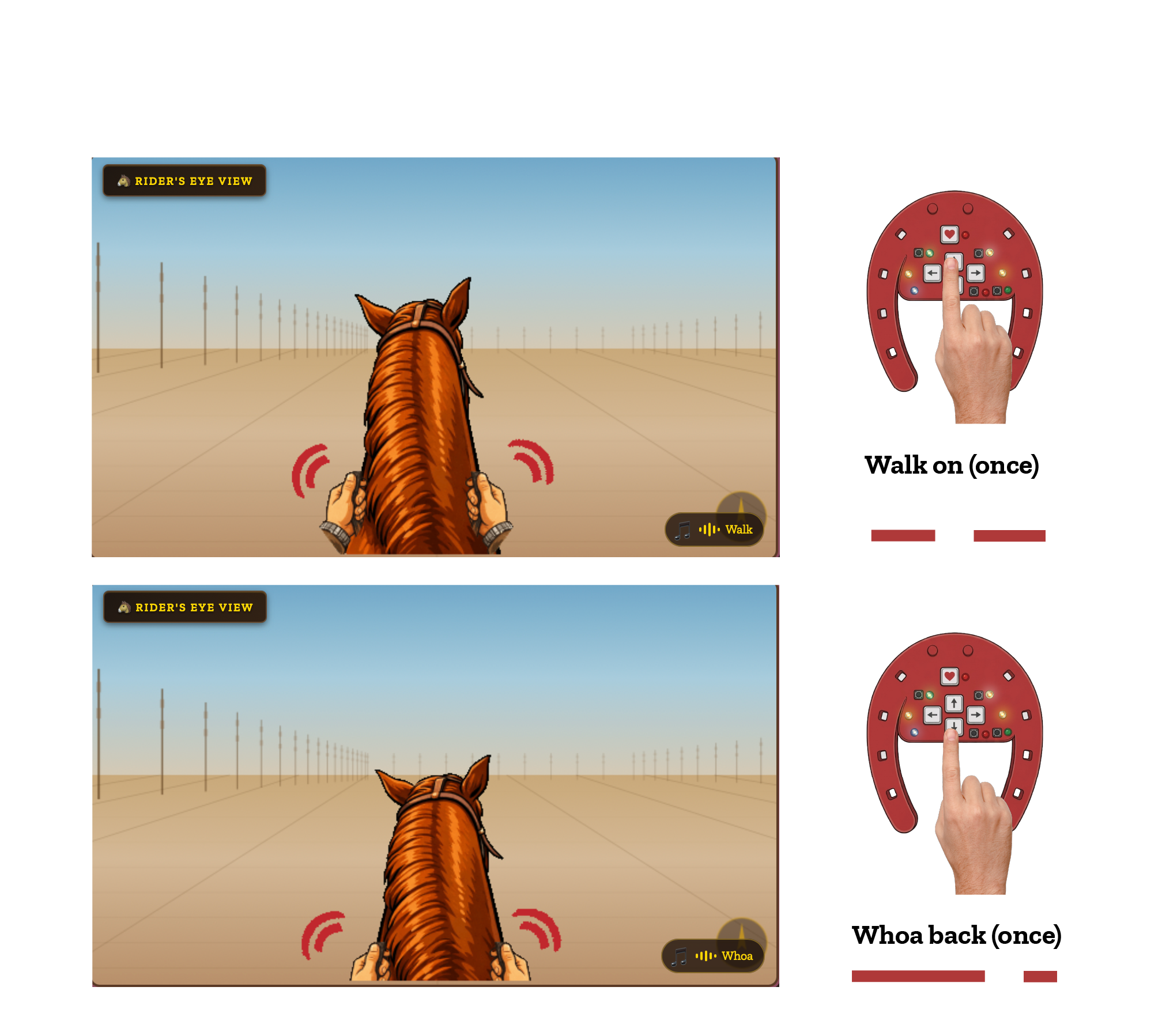
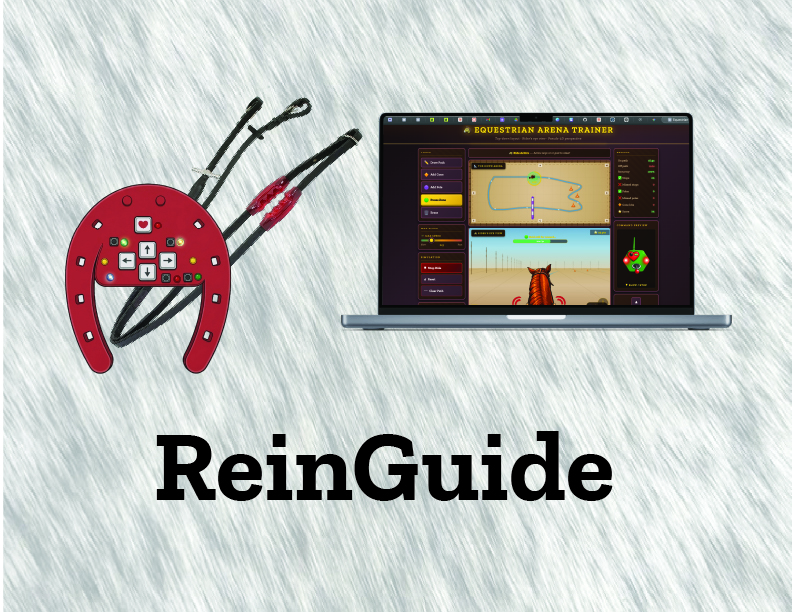
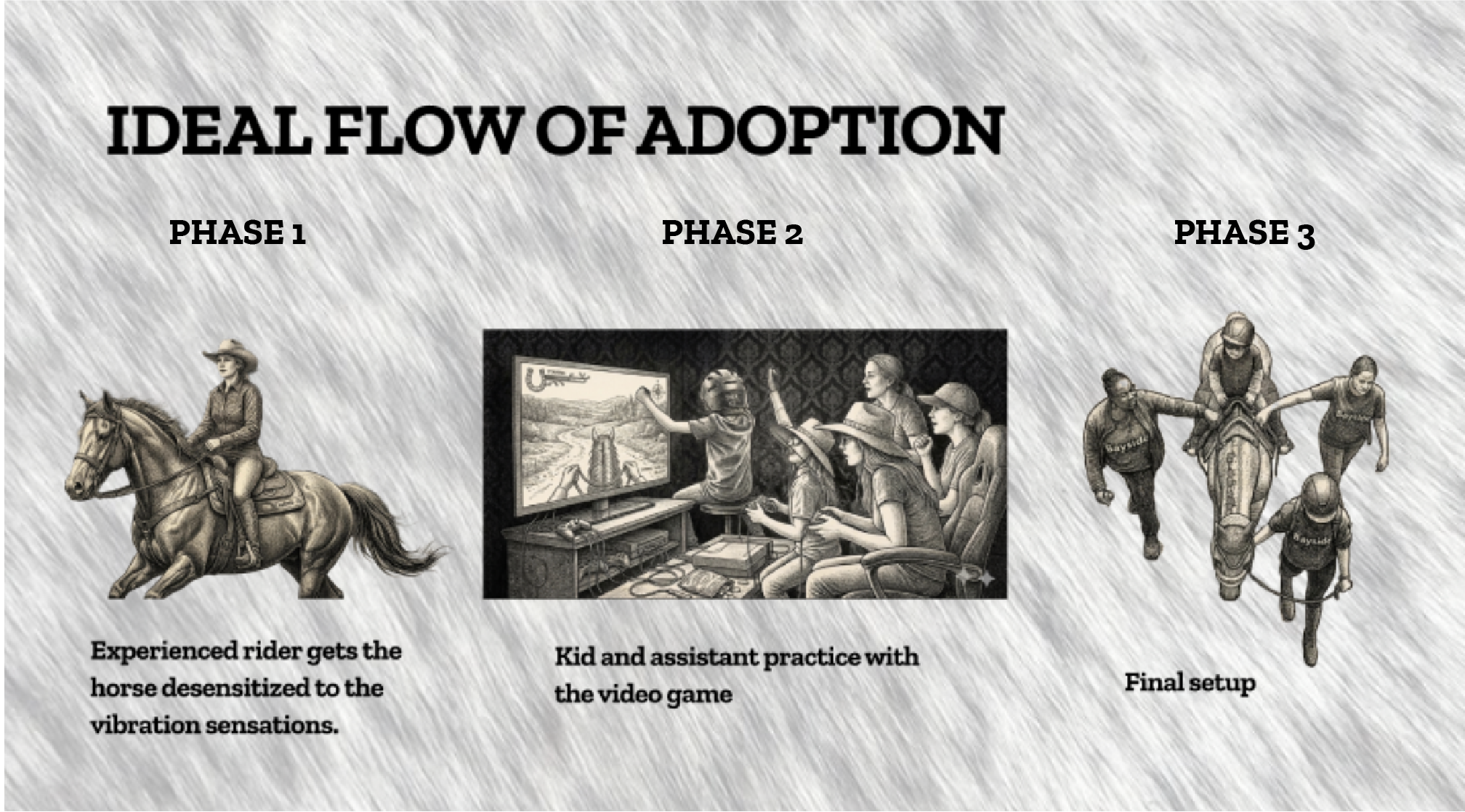
ReinGuide is a haptic communication system—consisting of sensor-embedded rein grips and a wireless controller—that allows lesson assistants to deliver tactile directional cues directly into a non-verbal autistic rider’s hands during therapeutic horseback riding sessions. By digitally augmenting the reins’ existing proprioceptive communication channel, ReinGuide enables a child who cannot rely on verbal instruction to participate fully in equine therapy: staying in the saddle, following cues, and progressing therapeutically session after session.
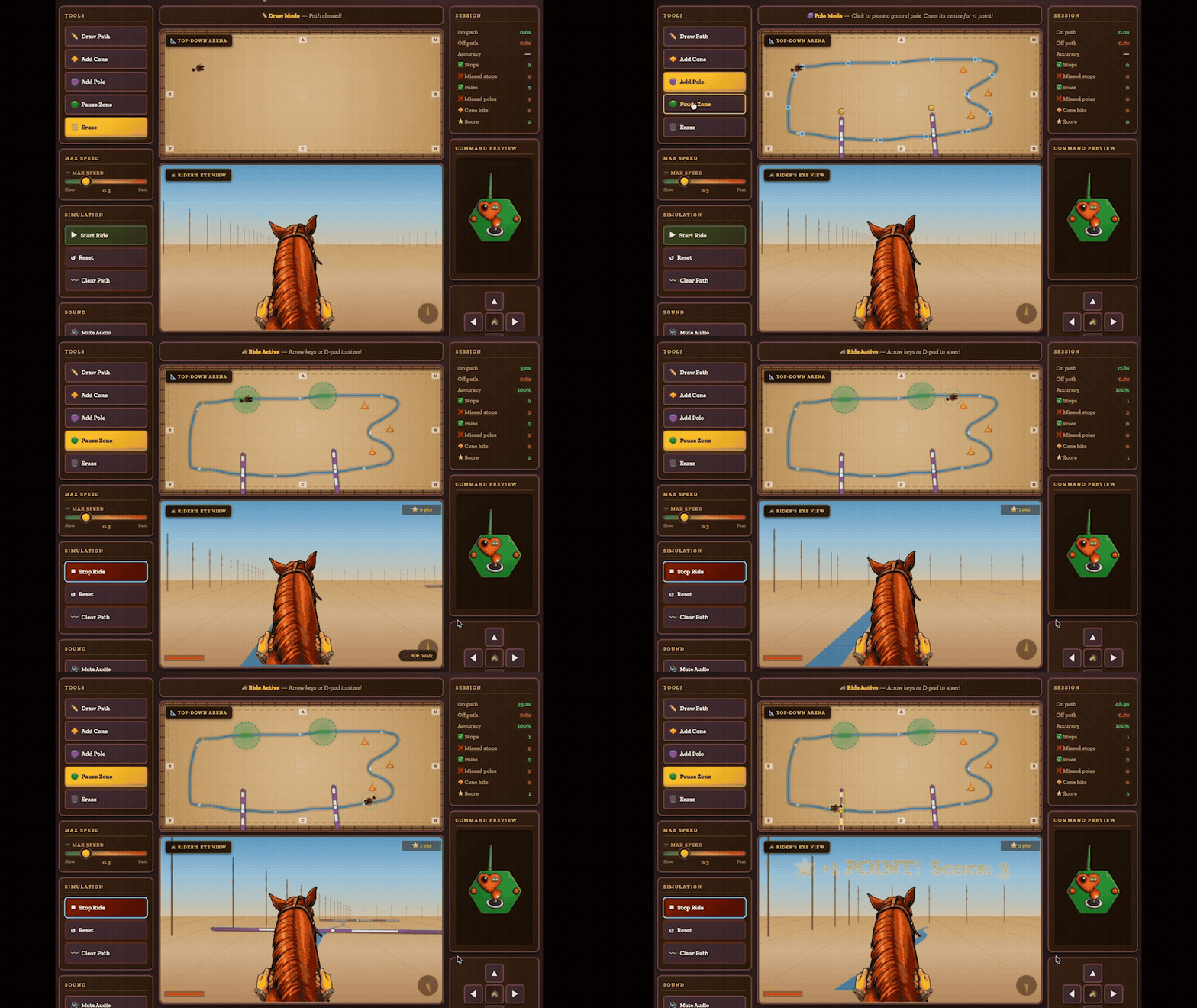
The system is not an interruption of the existing lesson structure—it is an amplification of it. The reins are already the primary physical communication channel between rider and horse. ReinGuide makes that channel legible to a rider whose nervous system learns best through structured, predictable tactile input. The result is not a workaround or an accommodation: it is a redesign of the communication interface itself.The five haptic commands—Forward, Left, Right, Stop/Whoa Back, and Heartbeat Mode—were derived directly from existing verbal cues and English riding conventions. They are a translation, not an invention. And like any language, they require learning: by the rider, by the assistant, by the instructor, and potentially by the horse. ReinGuide includes two software environments—a web-based Equestrian Arena Trainer and a Unity game about riding horses in Central Park —specifically designed to teach that language before anyone enters the arena.