Designing the Rules, Not the Doll — Teaching a Machine to Dream in My Style
Thesis Faculty:
Kurt Bieg, Louisa Campbell, John Sharp, Andrew ZornozaA rule-based system for personalized handmade dolls. Users answer a fantasy-style questionnaire; the answers become design data; I turn them into a creature. The rules belong to me. The story belongs to them.
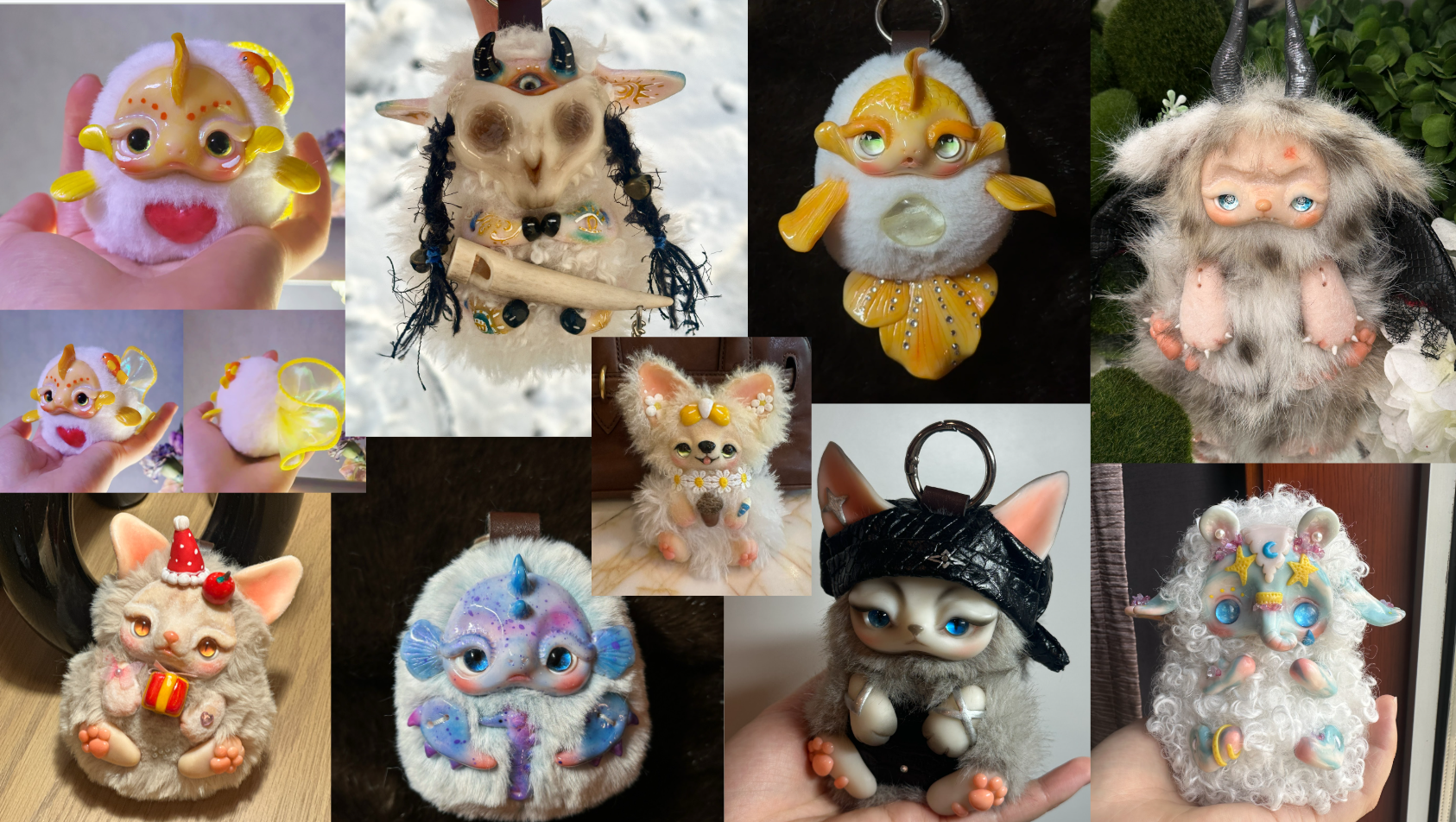
I make handmade fantasy creature dolls. For a long time, I had a problem: when I designed a doll for someone, the doll still felt more like mine than theirs. Most “personalization” on the market is just picking colors and accessories. That’s not personal. That’s a menu.
So I built a system where the user’s inner story becomes the design blueprint — not their visual preferences.
How it works
I designed a system called Soulsystem. It runs in four stages:
1. SOULFORM
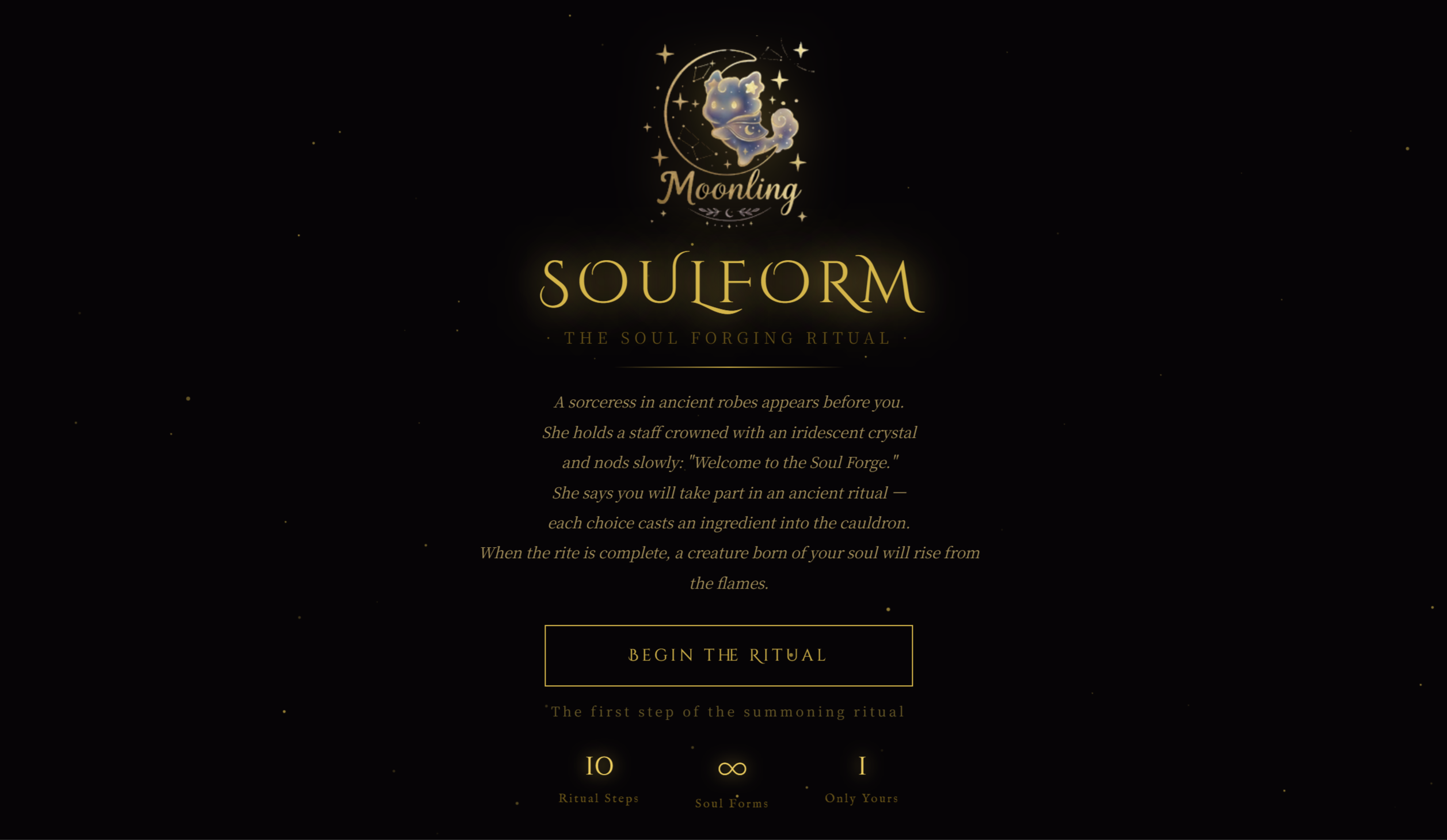
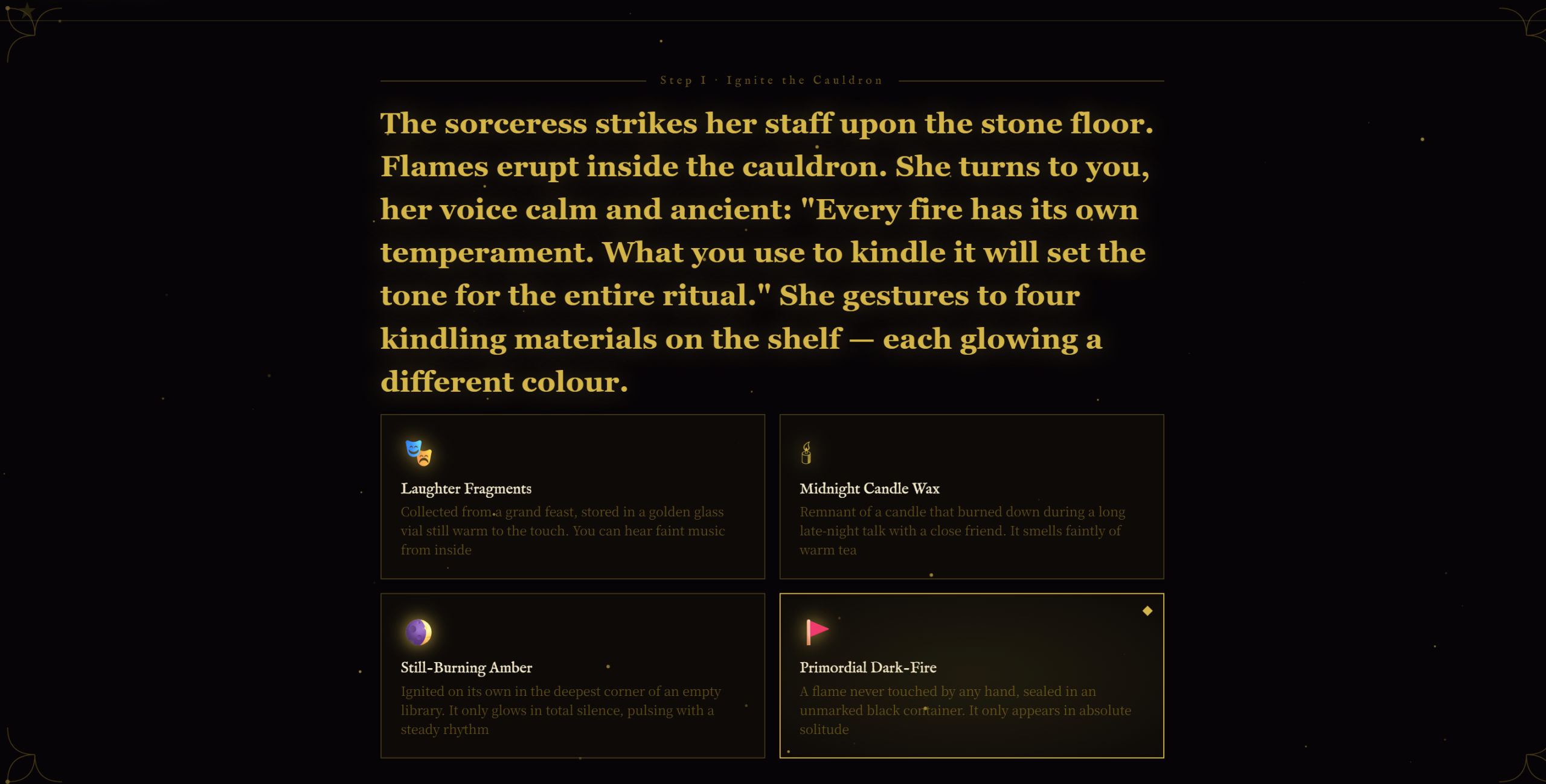
The user enters a dream world and meets an old sorceress. They walk through ten ritual choices — lighting a cauldron, looking into a smoke mirror, summoning guardians, writing a sentence in The Book of SoulForm. Every choice maps to a real design parameter underneath. They don’t see the math. They just answer by instinct.
Click here to experience the SoulForm website.
2. AI sketch within my boundaries.
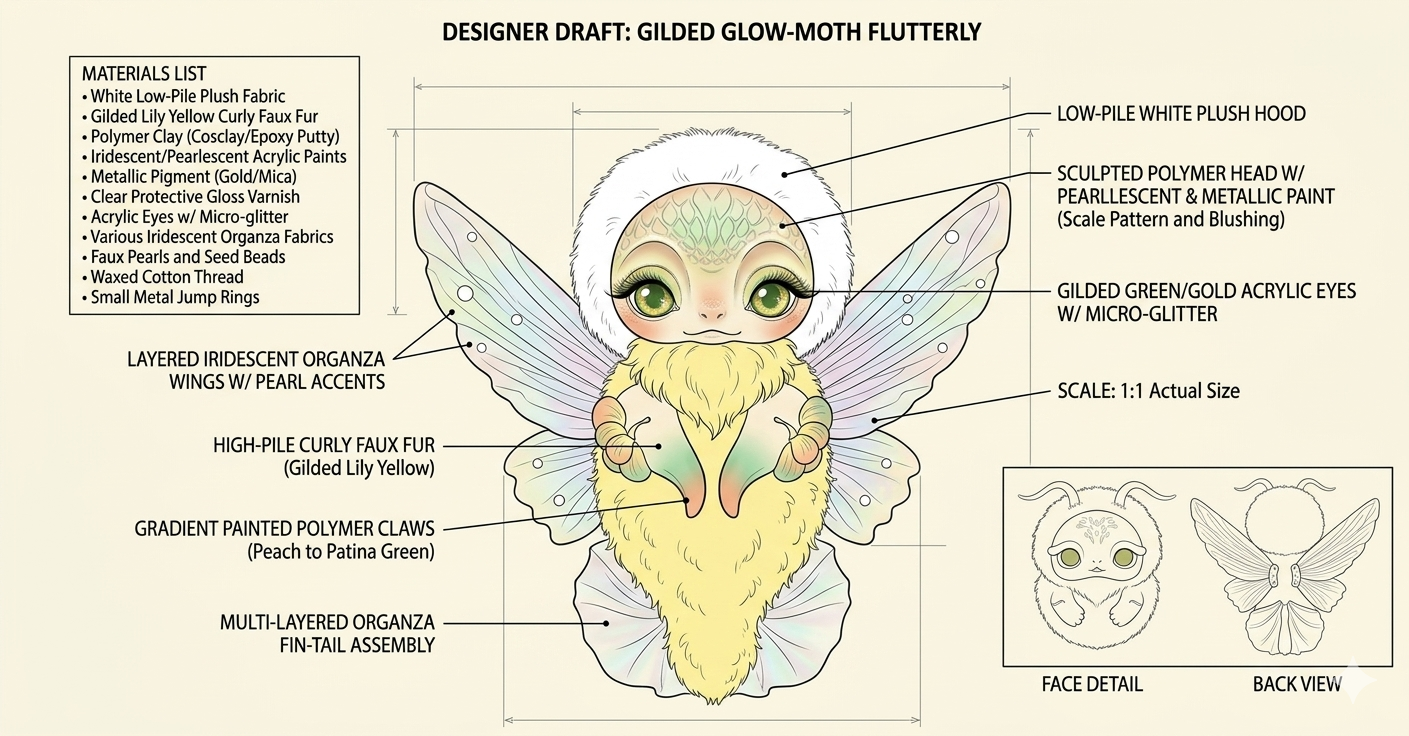
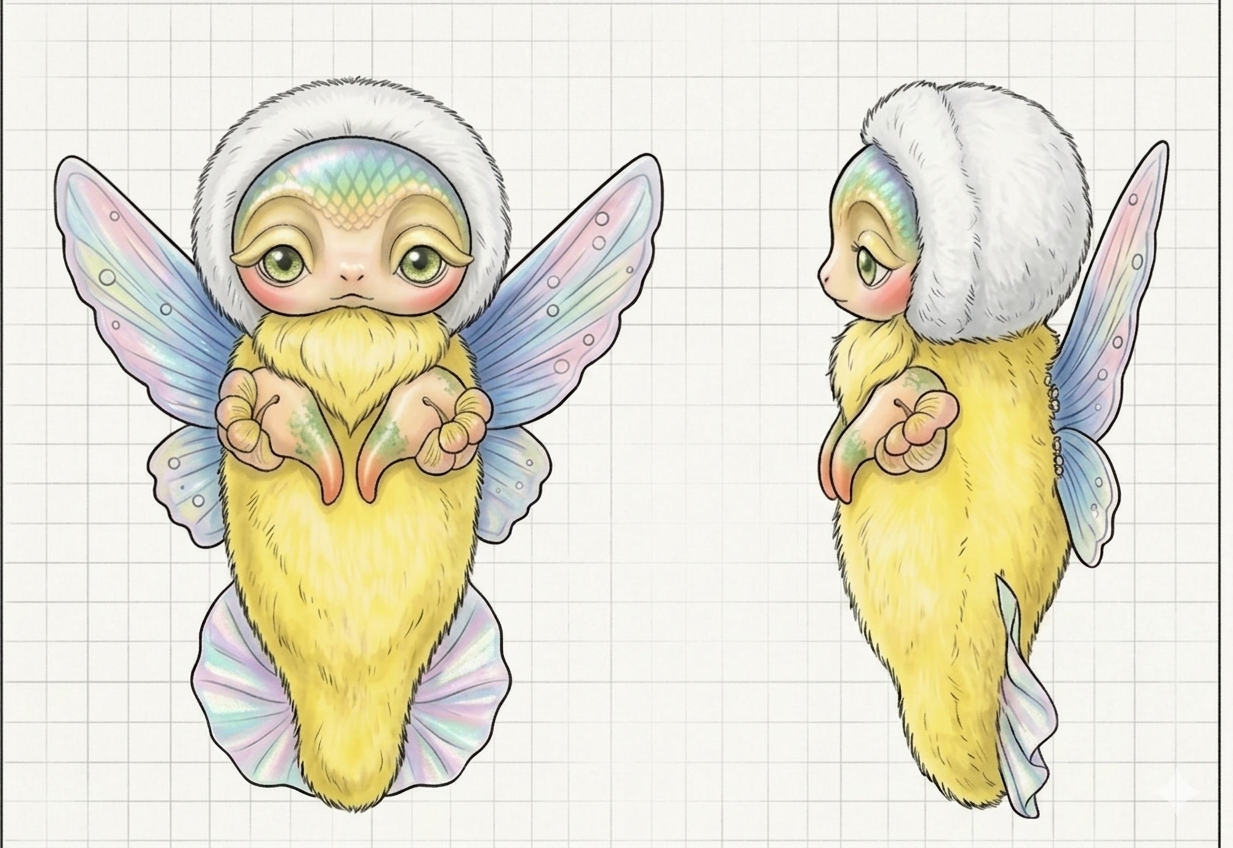
Their answers become a character profile. AI draws a sketch — but only inside the visual language I’ve already set. The palette, the silhouettes, the material logic are mine. AI is a fast tool, not the author.
3. Refining the sketch with the user.
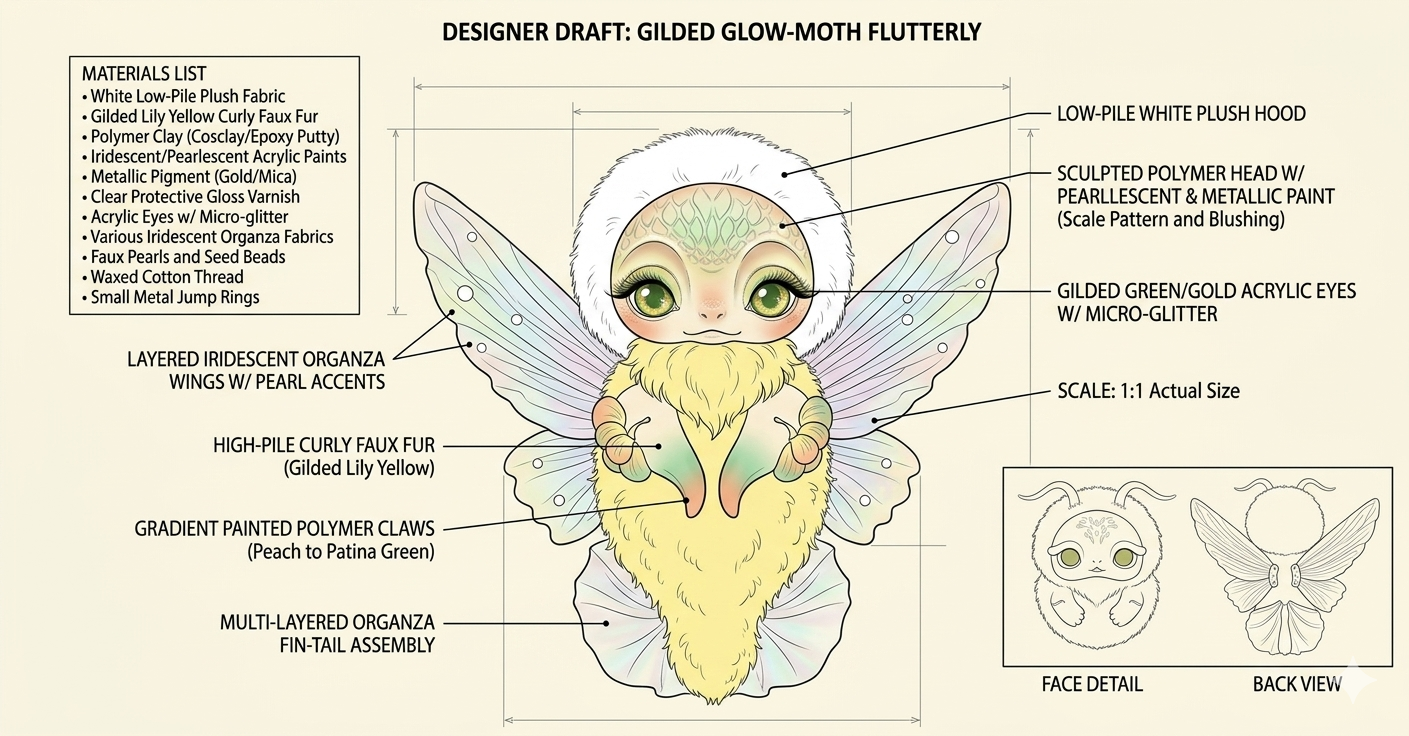
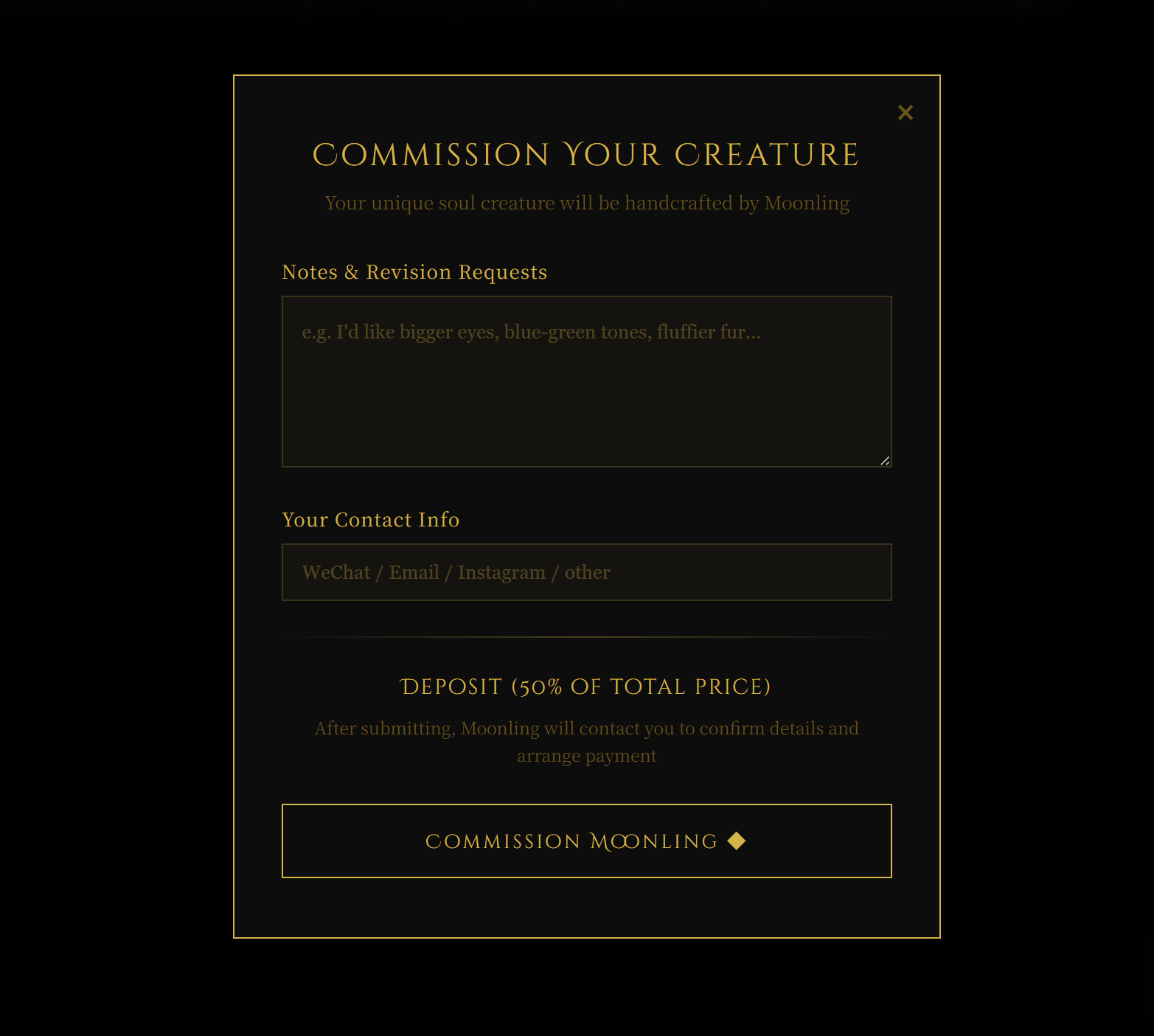
The first sketch is a starting point, not an answer. I email the user. We talk back and forth — sometimes one round, sometimes four or five — about what feels right and what doesn’t. They tell me a feeling; I translate it into a visual change. The sketch keeps evolving until we both agree this is the creature.
4. Handmade by me.
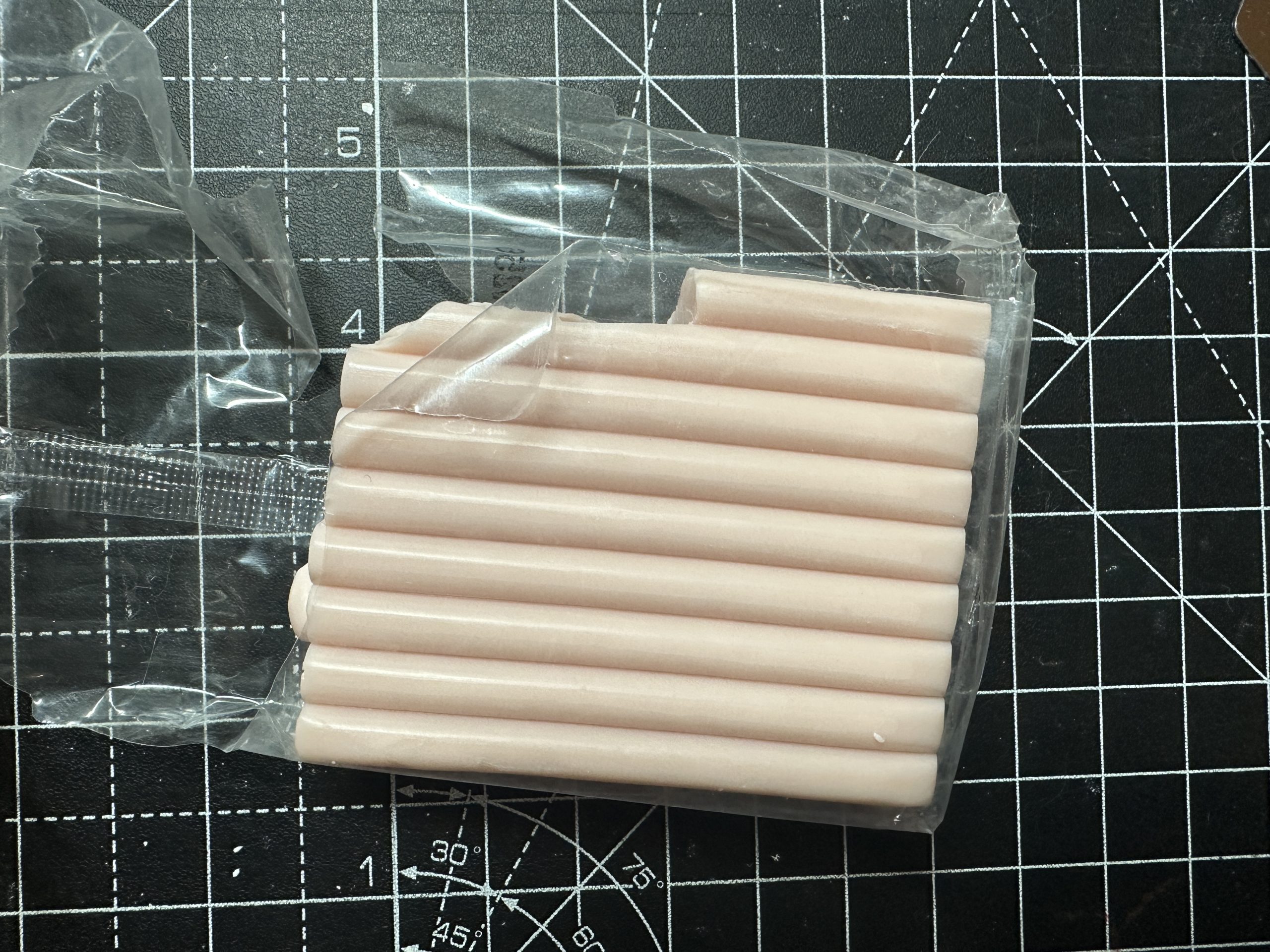
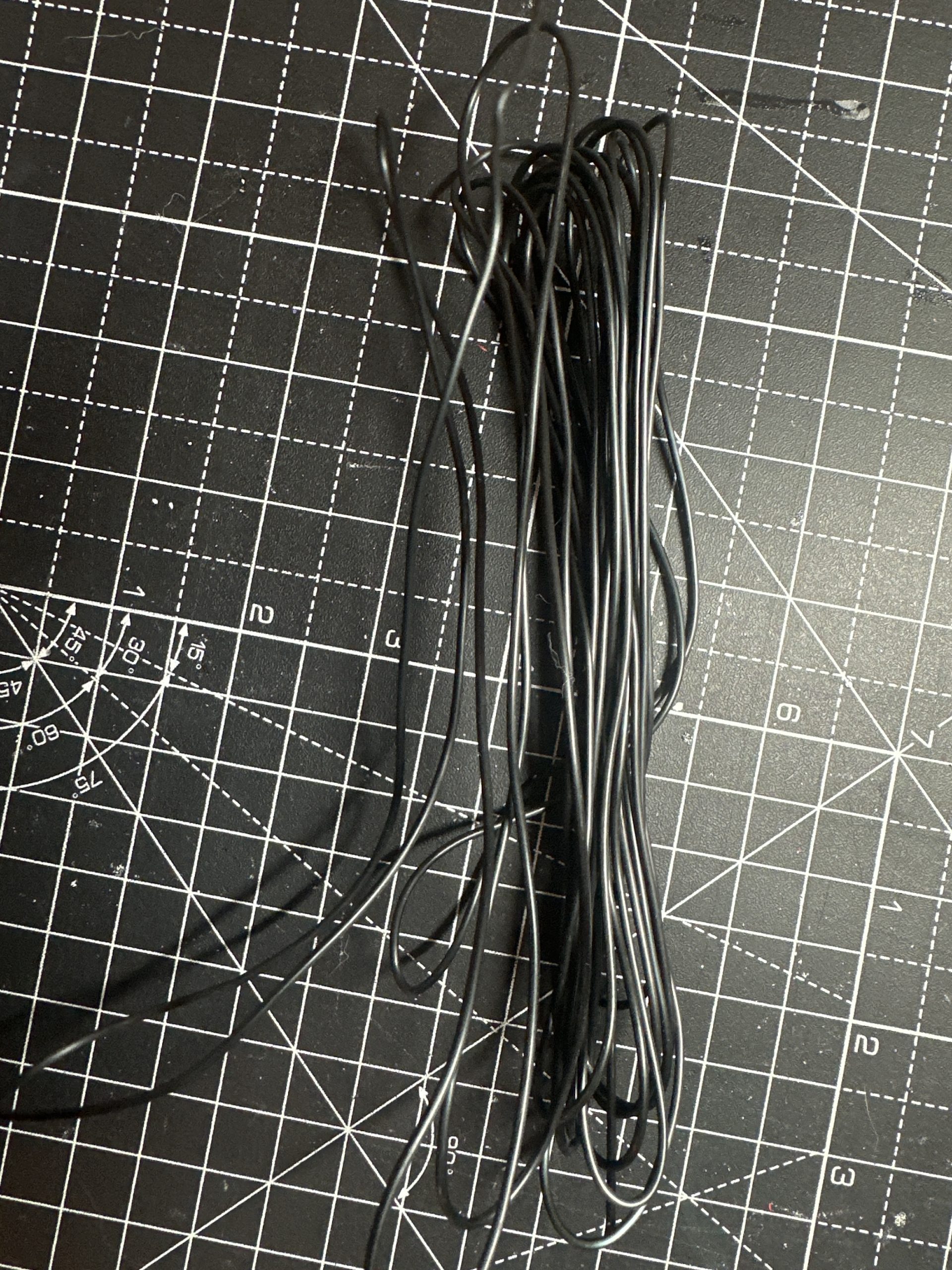
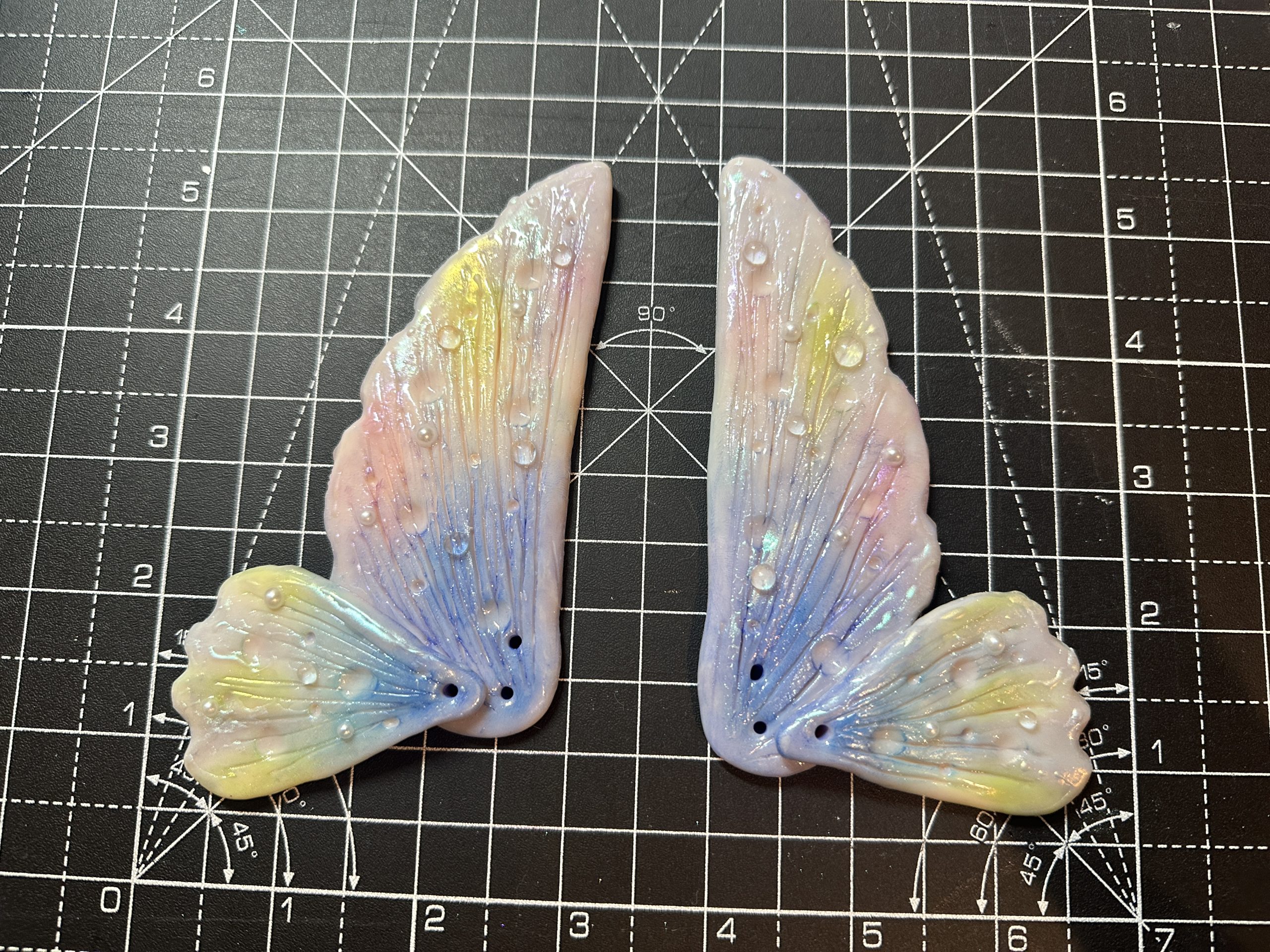
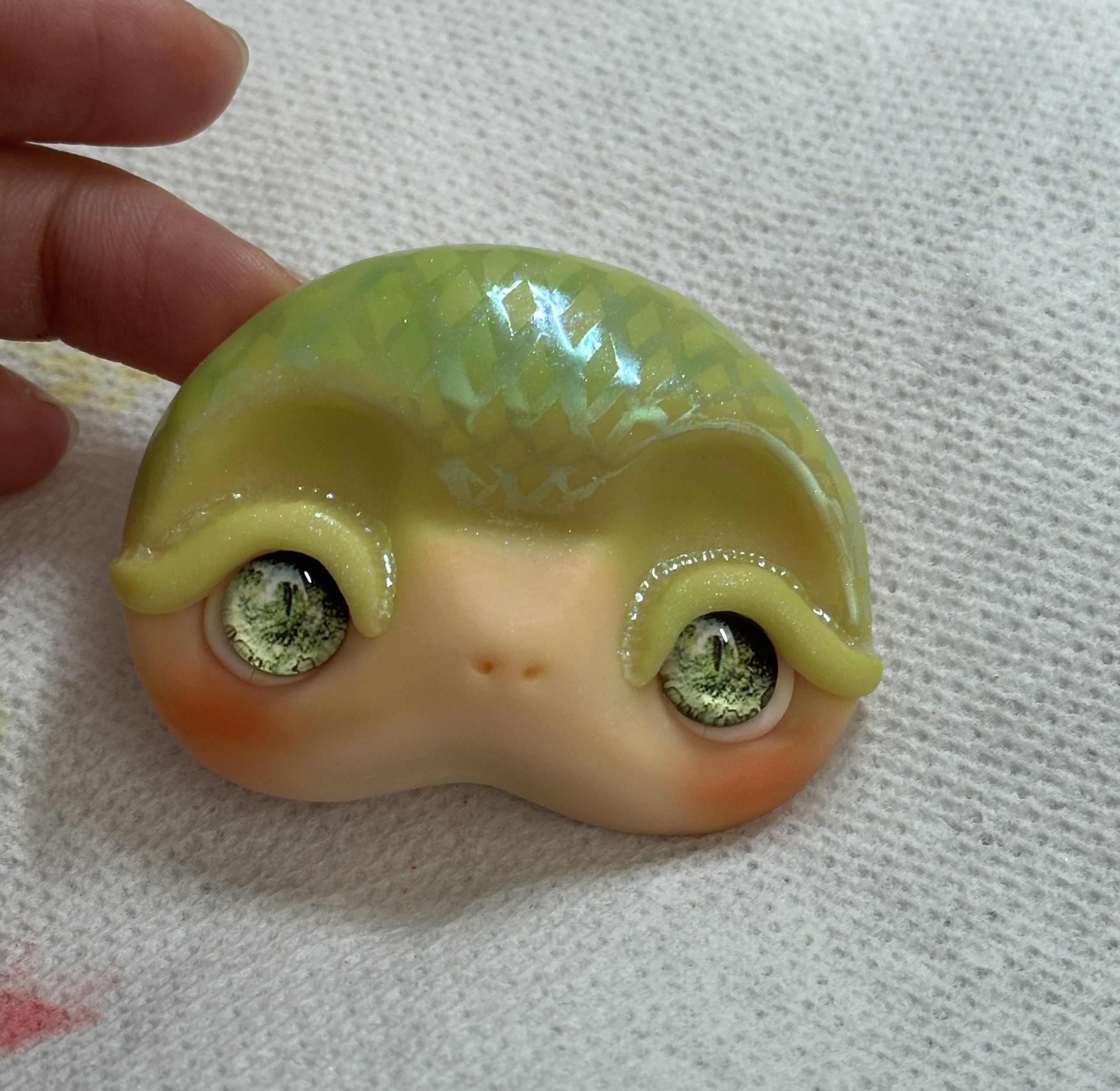
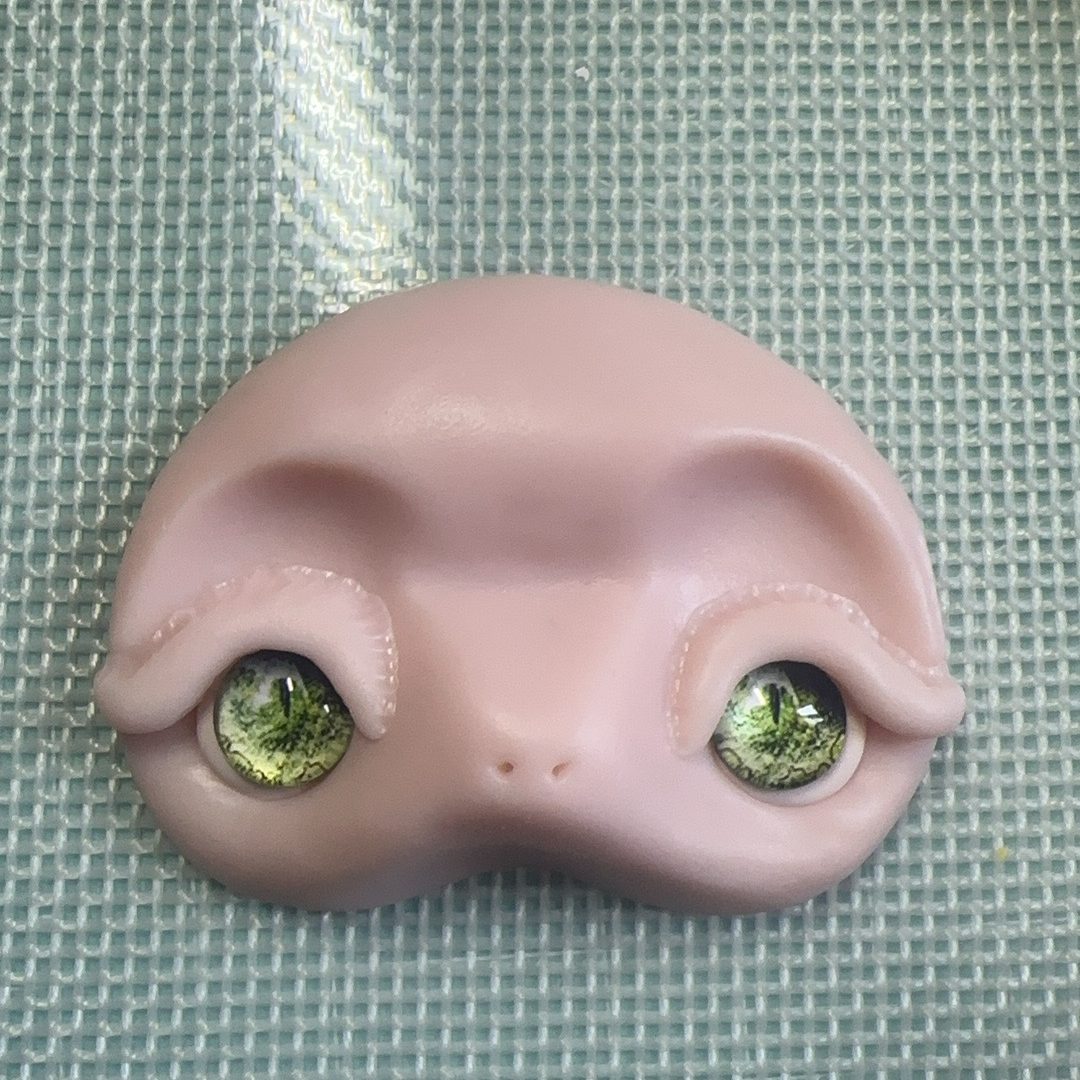
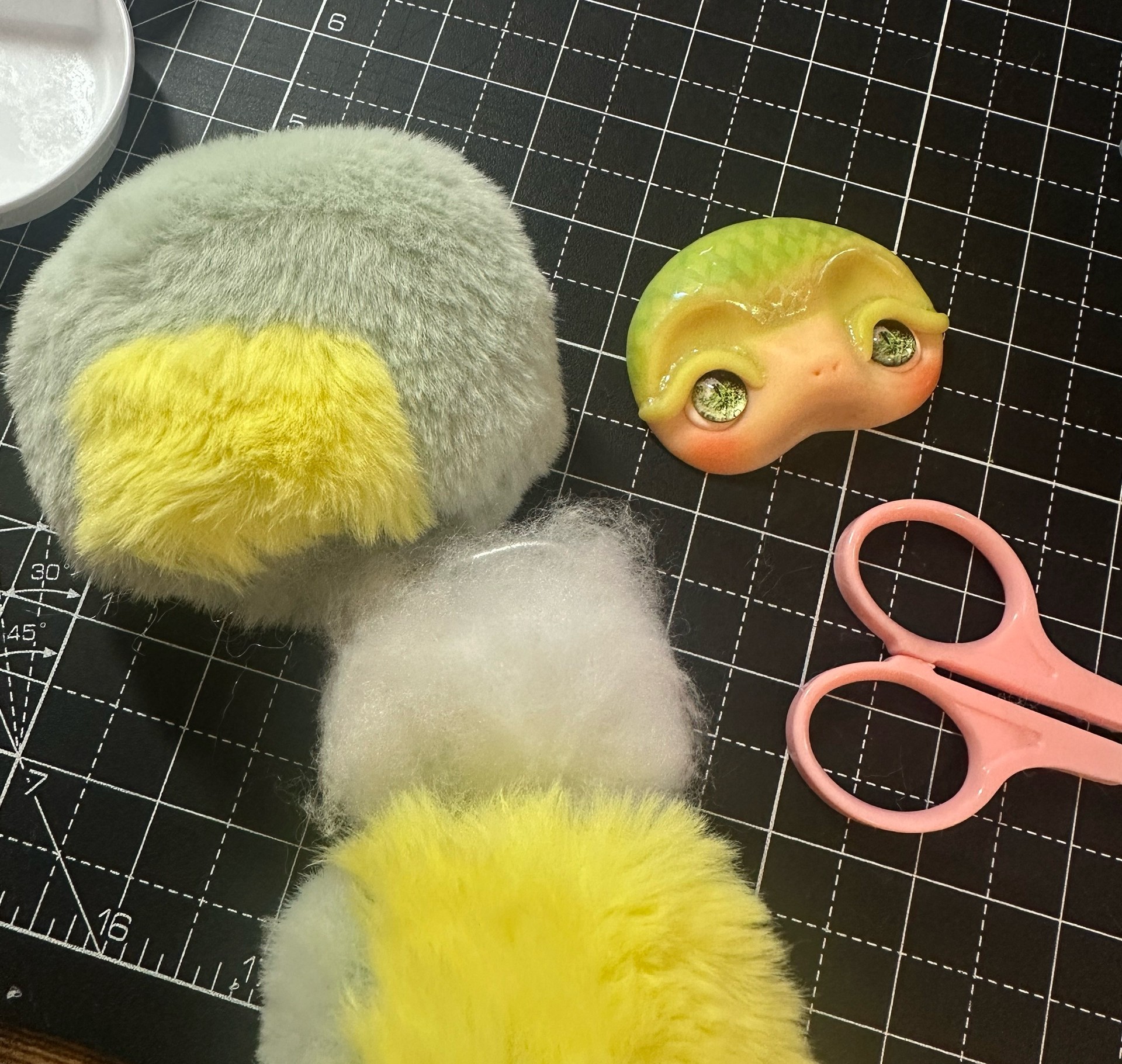
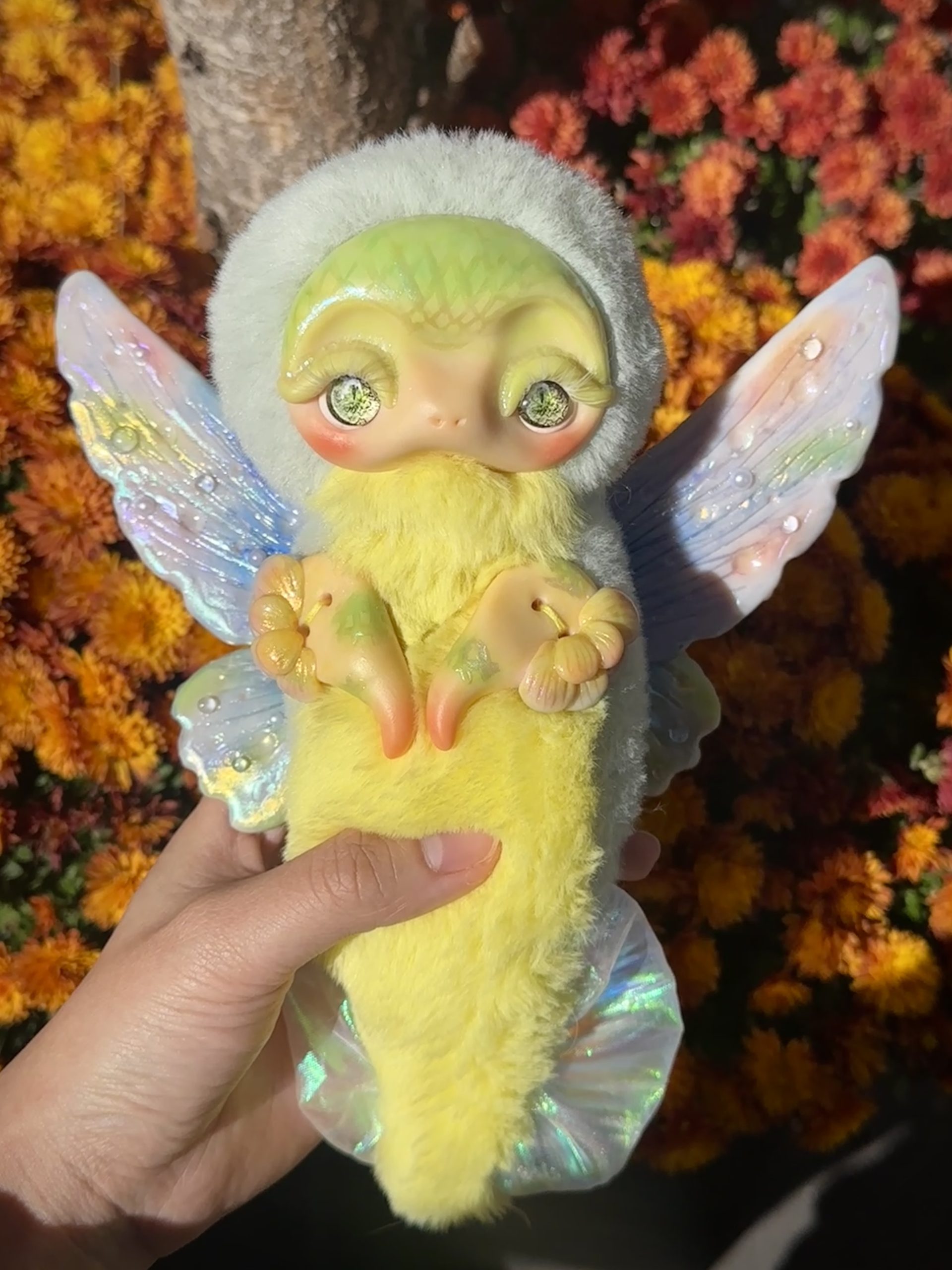
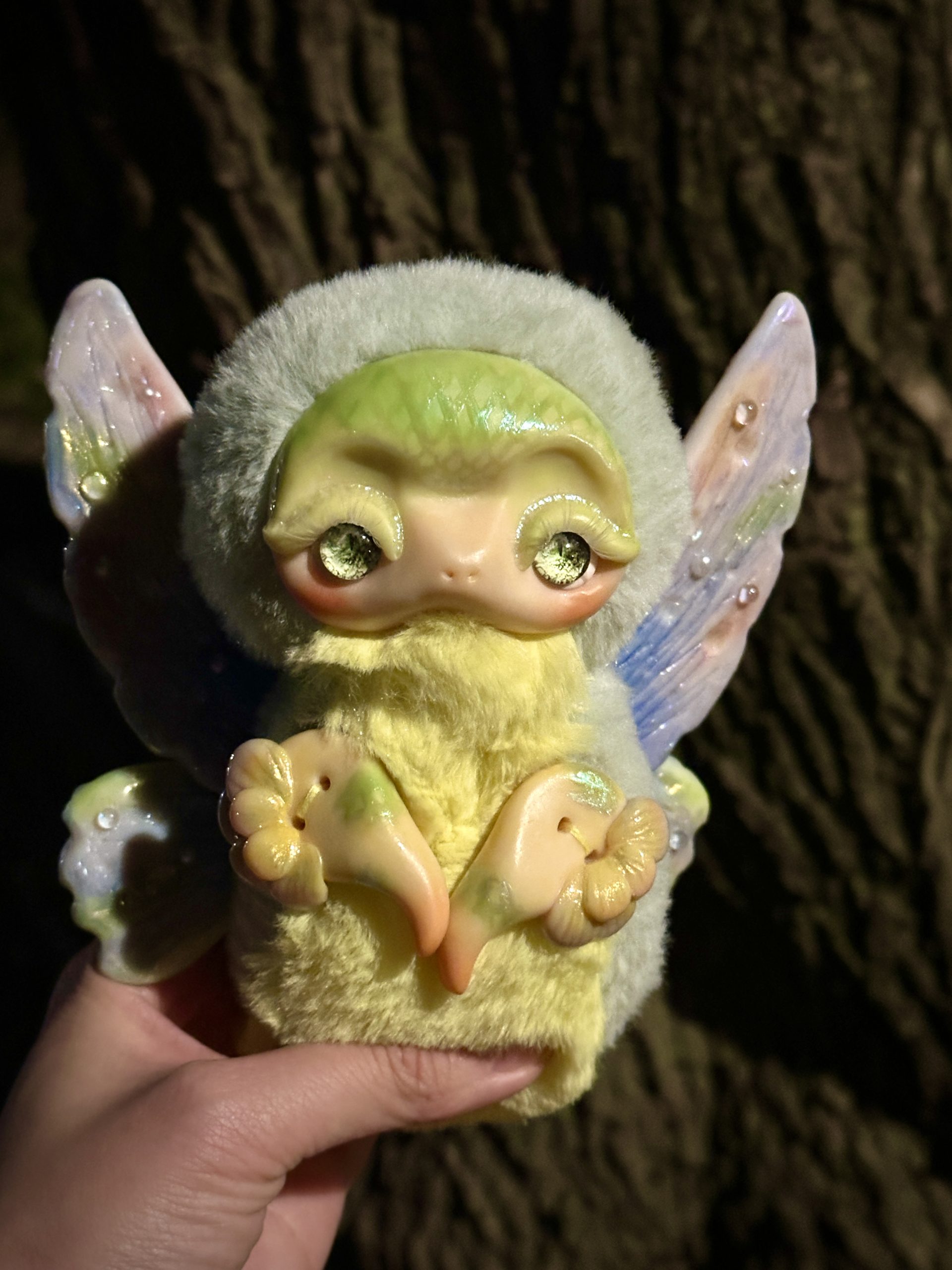
I take the final sketch and turn it into a real doll, with mixed materials — polymer clay, plush, resin, UV gel, hand-painted finishes. This stage is where the story becomes a body.
5. Interactive packaging.
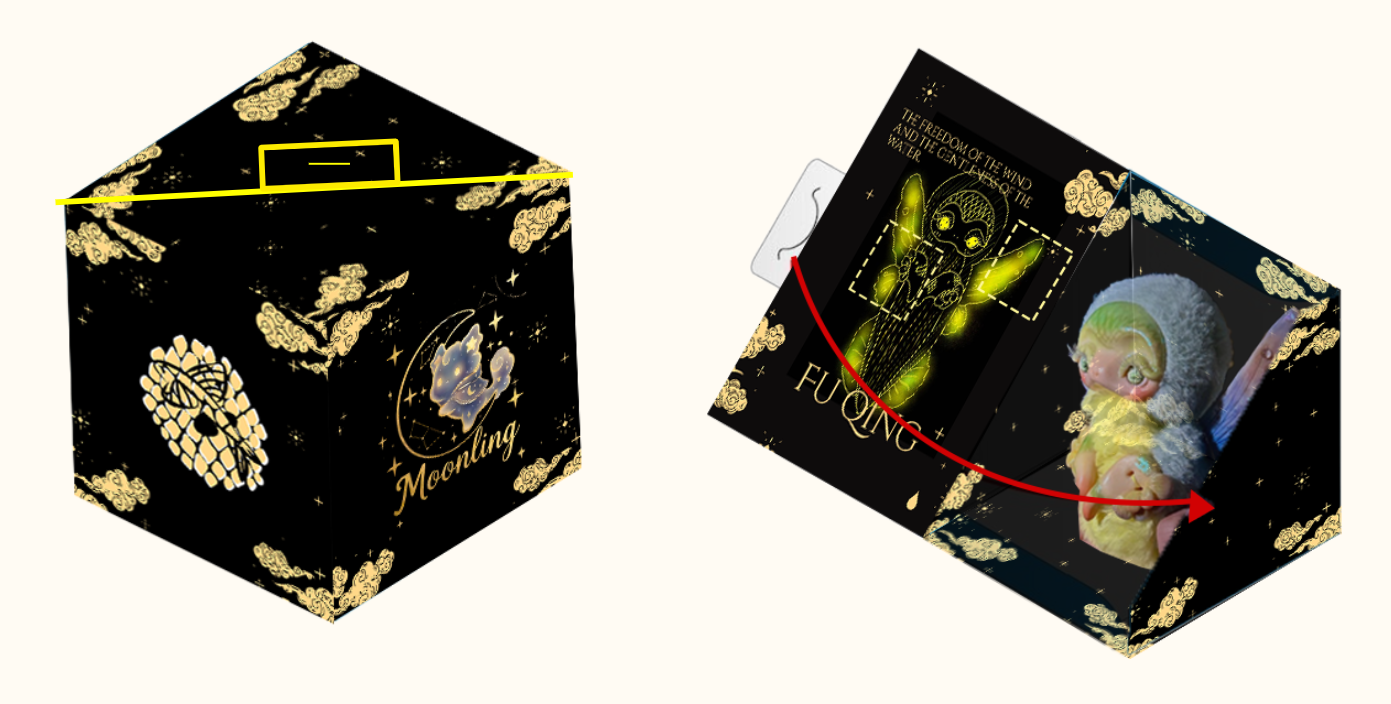
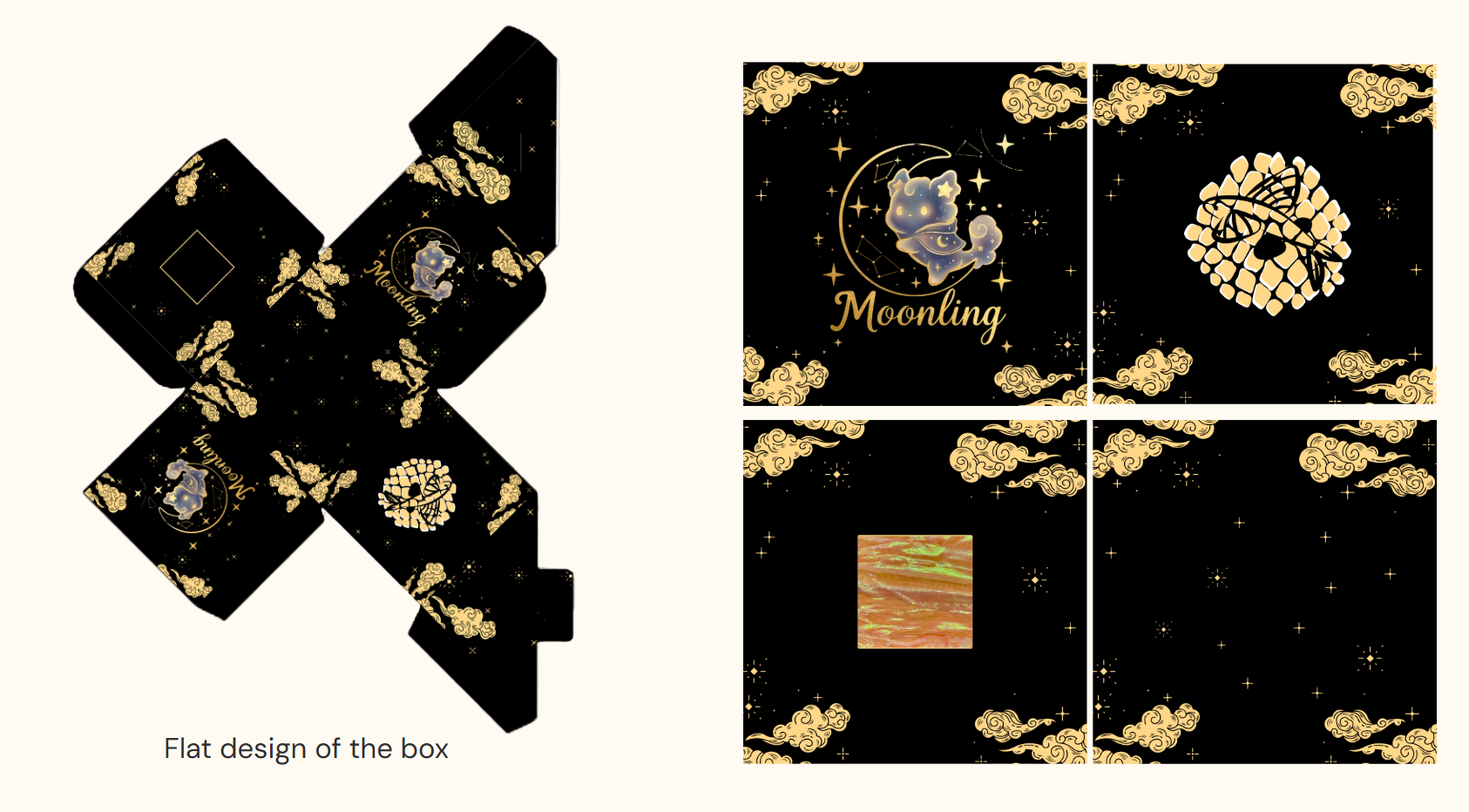
Handmade production takes weeks. By the time the user gets the box, they may have forgotten the details of the character. The package is built as a slow re-discovery — touch a hidden window of fabric, peel open secret compartments, find clue cards and small gifts inside. The story is reactivated through the act of opening.
A complete case: Fuqing
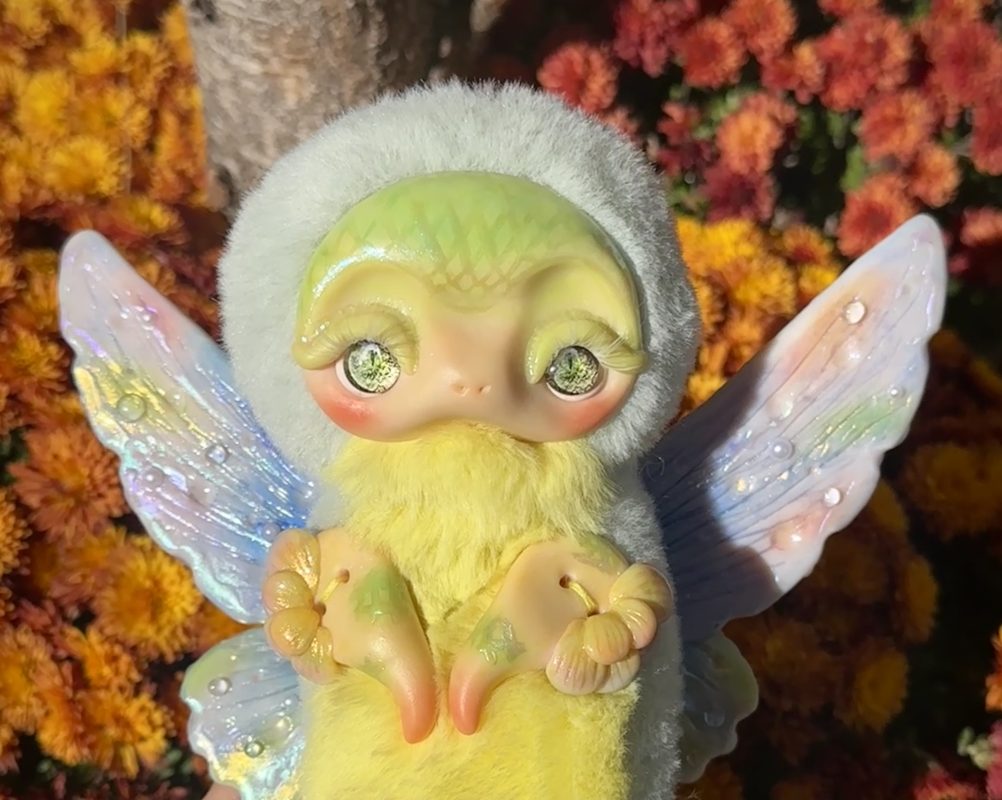
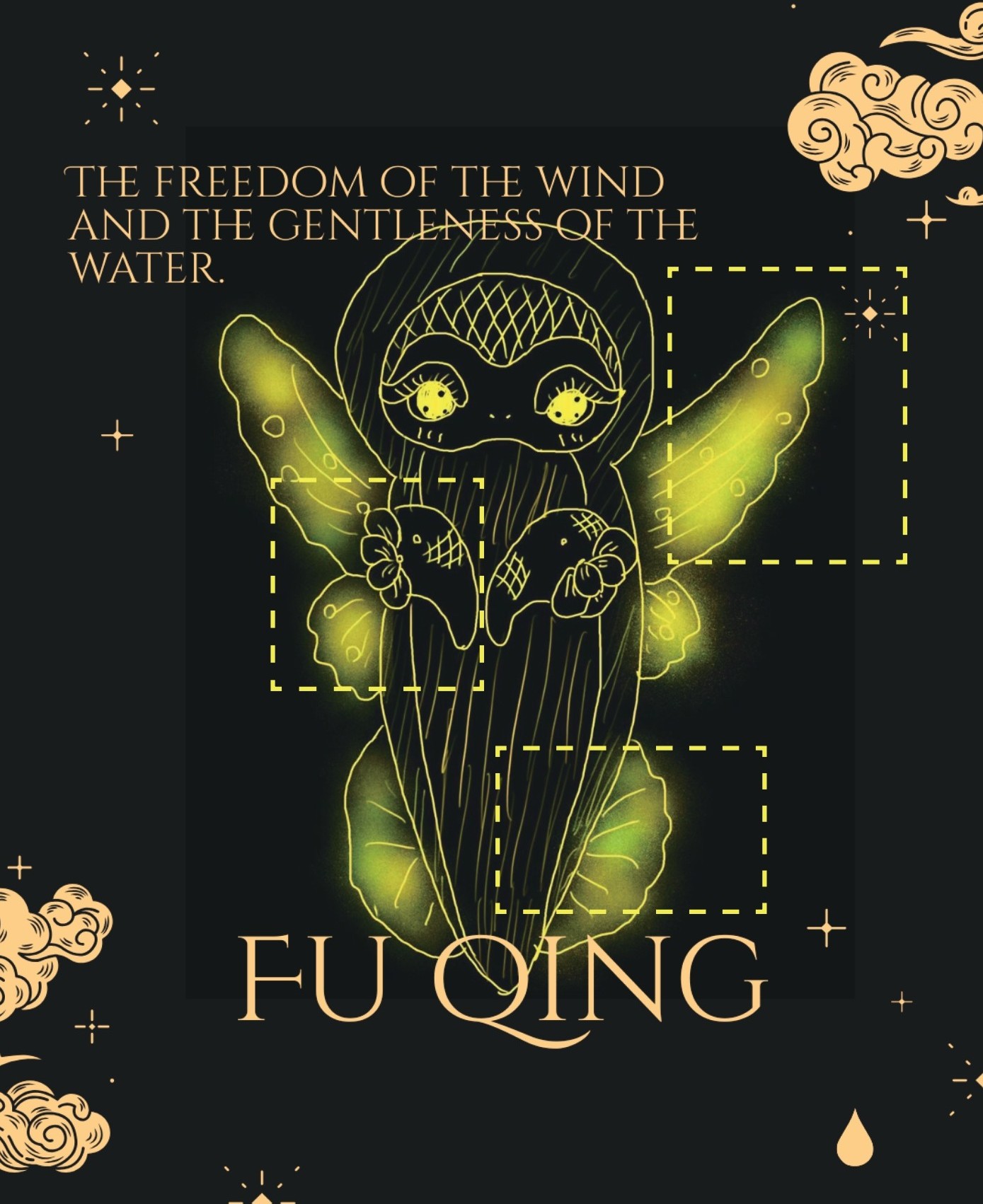
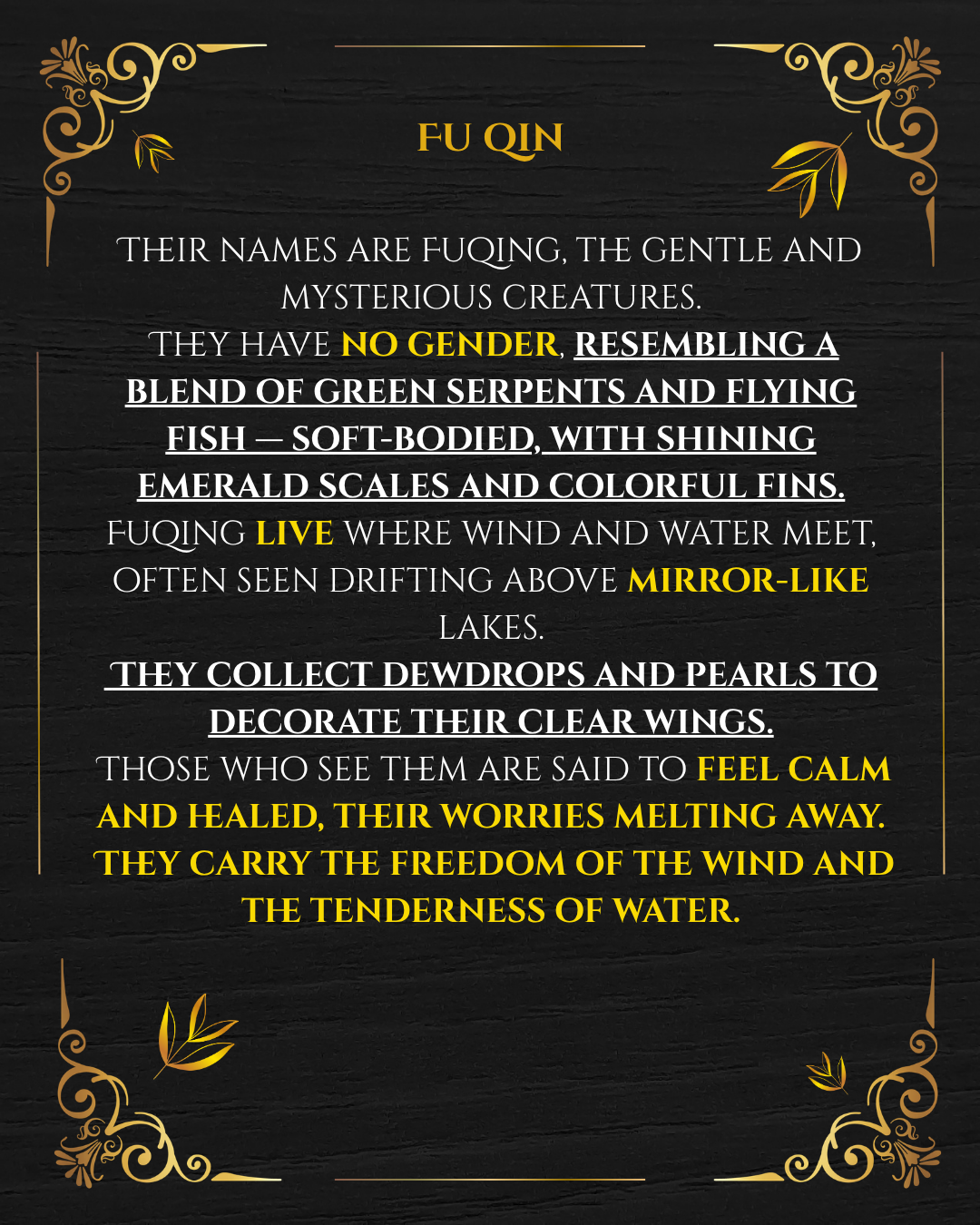
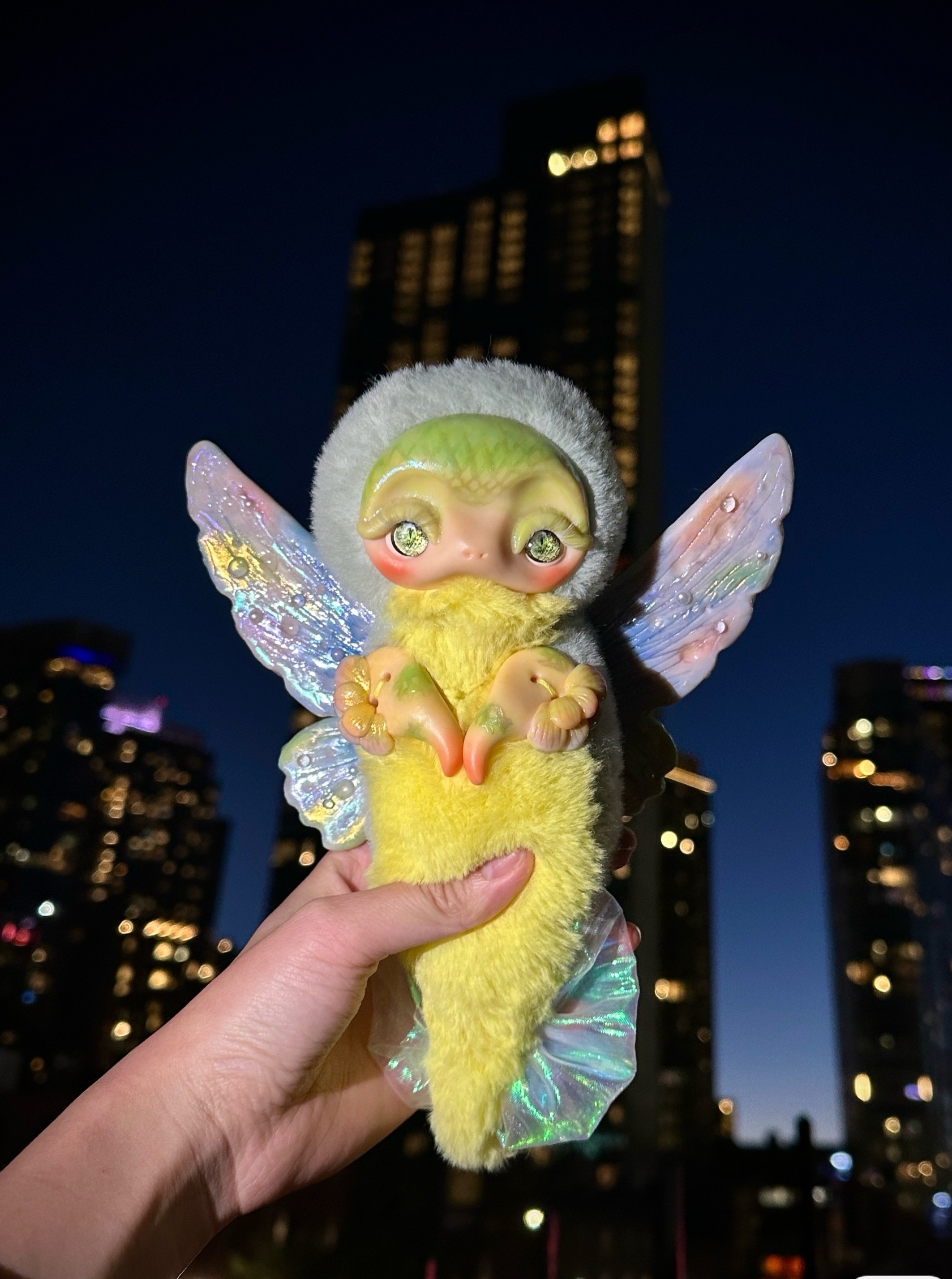
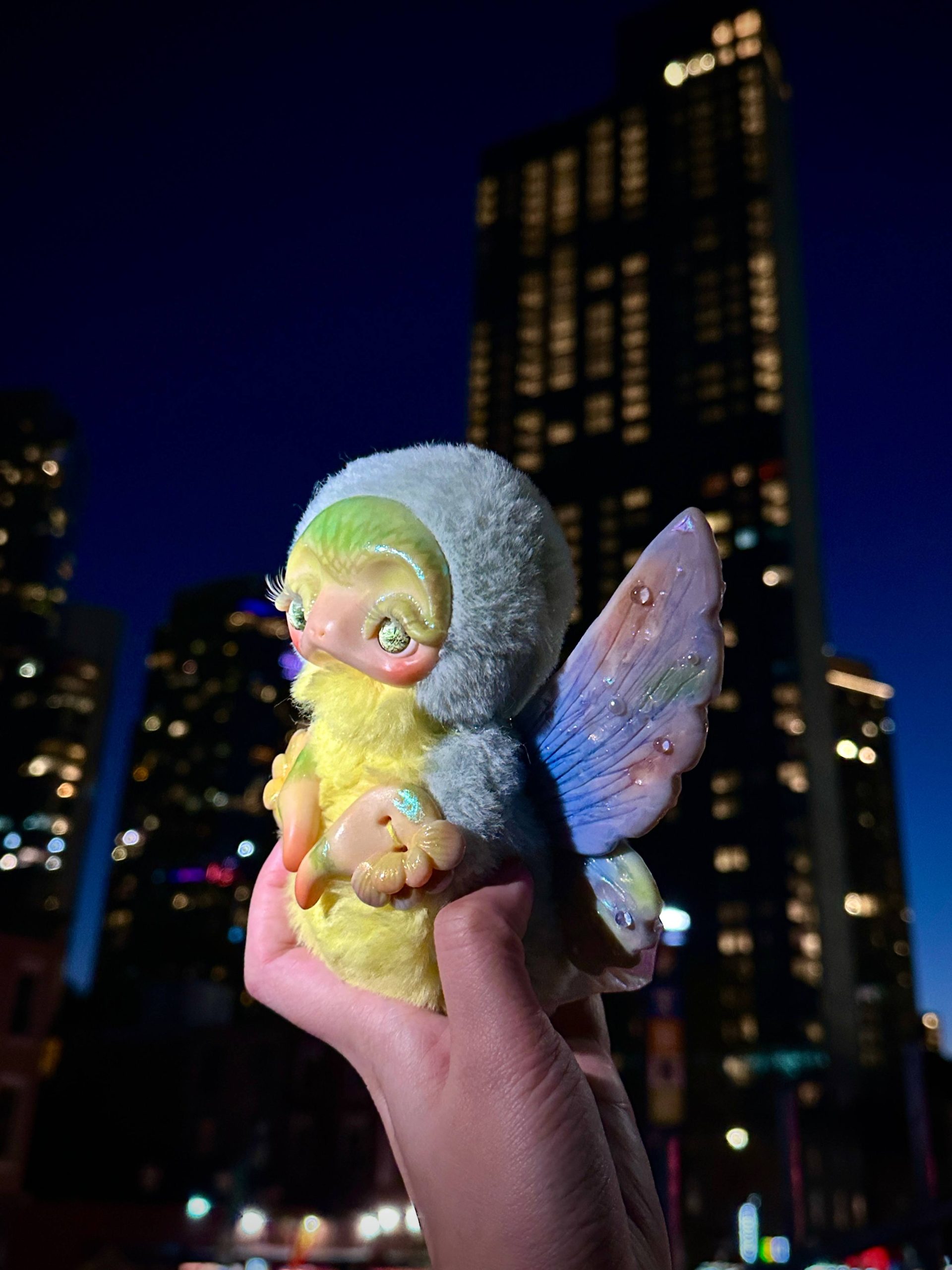
This thesis includes one full case study — a creature called Fuqing. A chimera of a green serpent and a flying fish. Soft body, emerald scales, transparent wings decorated with dewdrops and pearls. The user is me.
Click here to view the full paper.
What this project is really about
SoulSystem isn’t trying to automate handmade dolls. It’s trying to answer a quieter question:
Who does this creature really belong to?
Not me. Not the user. Not the AI. It belongs to a set of rules I designed — and to the people invited inside those rules. The rules belong to me. The story belongs to them.