Acts of labor for coming to know a fractured land
Thesis Faculty:
Nancy Valladares, Loretta Wolozin, Sam Lavigne, Ethan SilvermanWork Here investigates labor as a mode of ecological attention, situating my site-based practice at the Meeker Ave street end in Greenpoint Brooklyn. Engaging Newtown Creek as both historical infrastructure and living contaminated ecology, the project reframes labor not as production but as a way of knowing place through sustained material and social engagement. Drawing from local histories of industrialization, control, and toxic addition, the work positions a personal praxis for engaging with our complex modern ecologies.
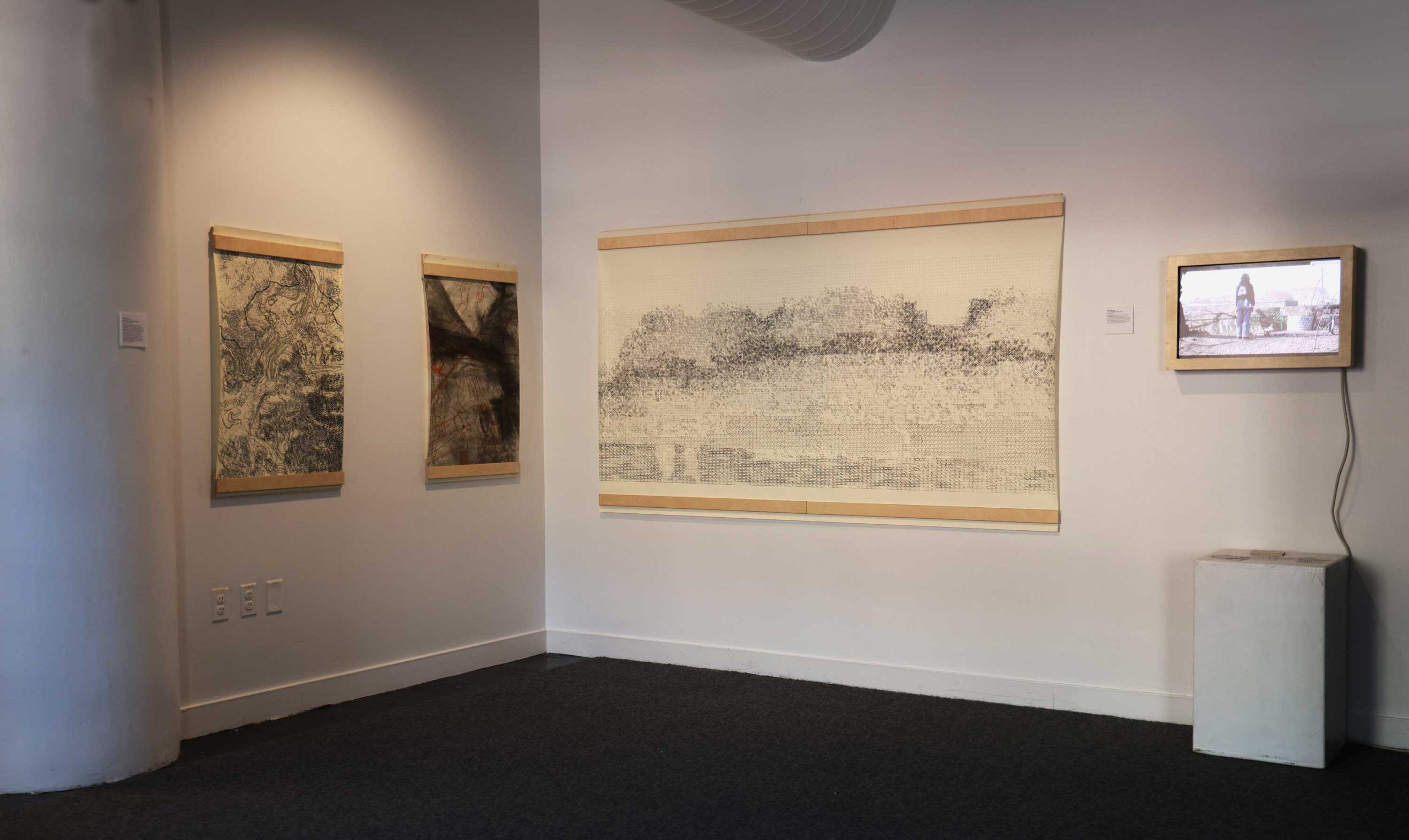
Exhibition
Each exploration of ecology and labor outside of the current perspective of their resoursification, plays with a mix of different resident interviews, soil test samples, and research.
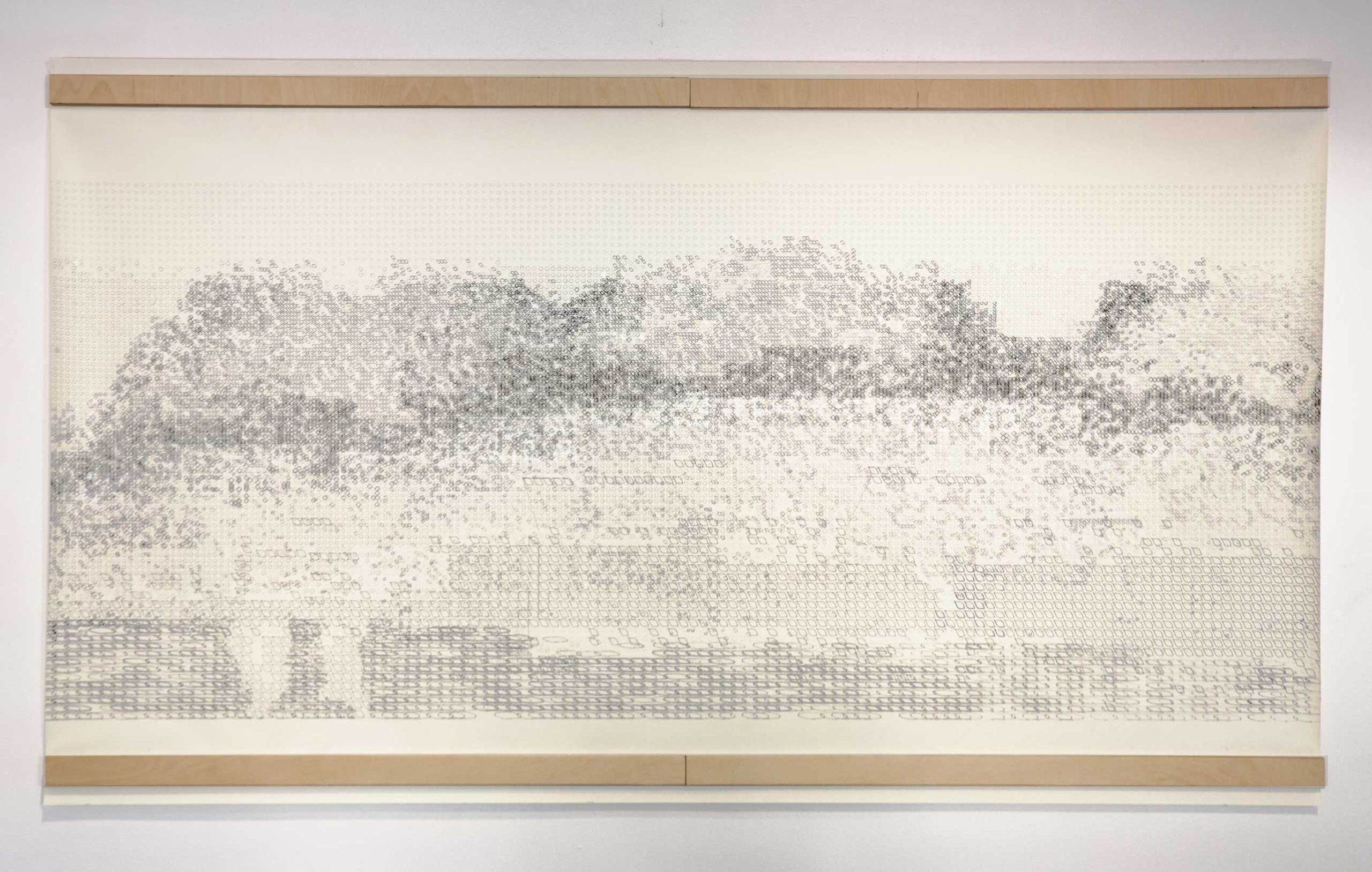
Soil, Conglomerated
Using soil test samples I took and secondary research into local geology, hydrology, and soil science, I collated data into an expansive cross section of the ground all the way down 120 feet to the bedrock. Each symbol denotes a materiality and its position and prevalence in the soil. Materials range from organic matter, overburden, sand, clay, silt, to benzene and lead.
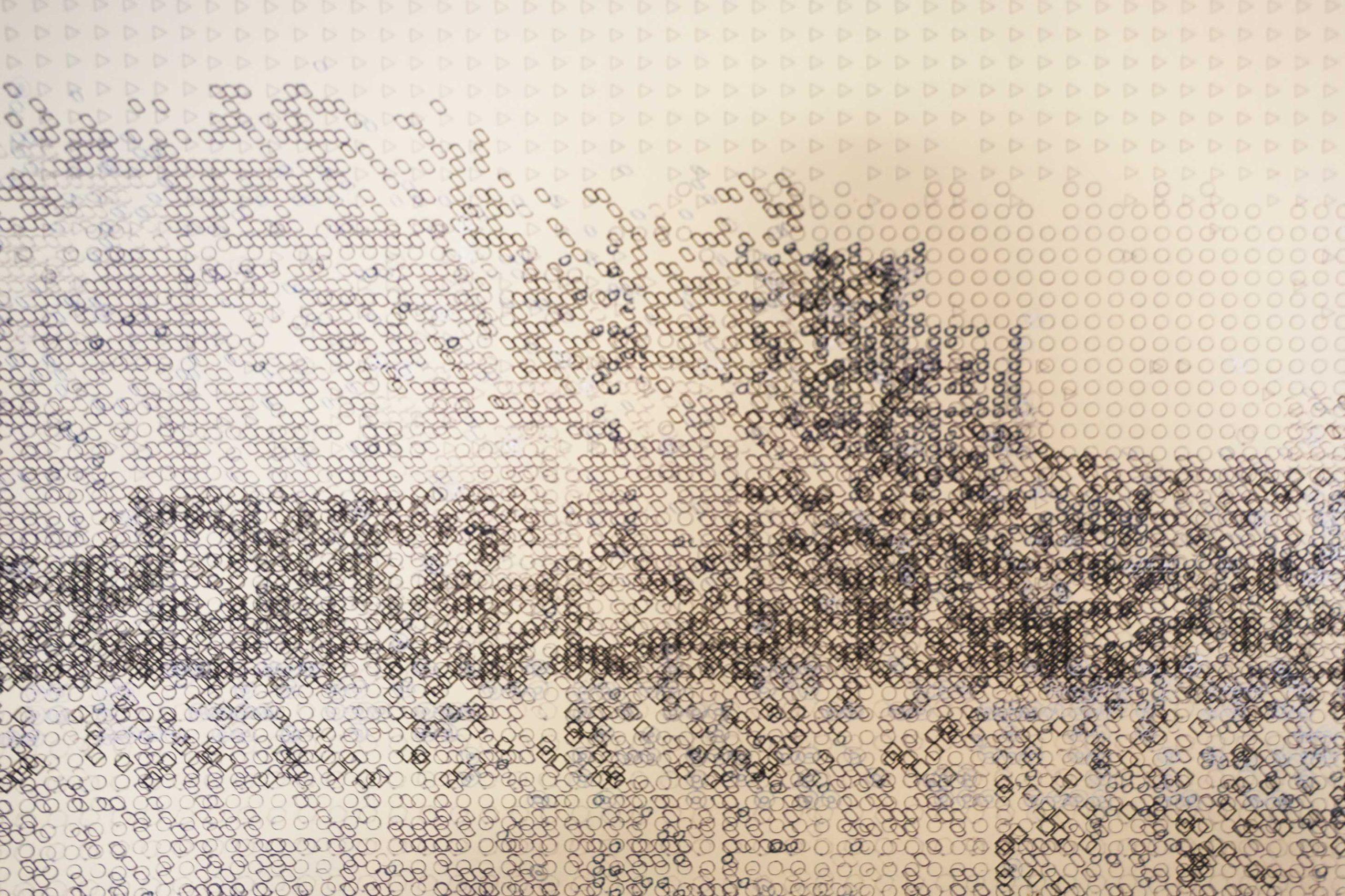
Close up of Soil, Conglomerated layers
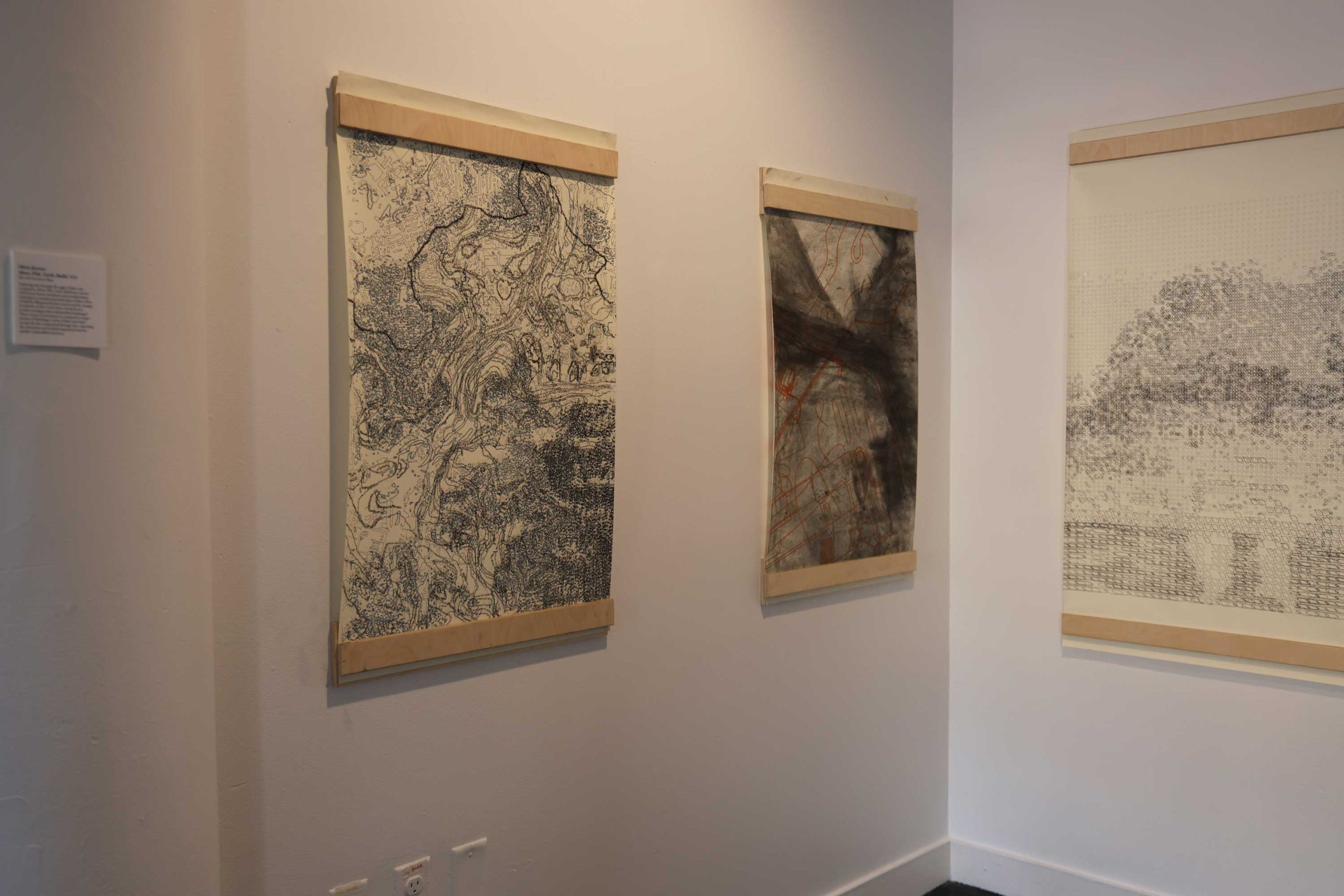
Move, Pick, Catch, Build
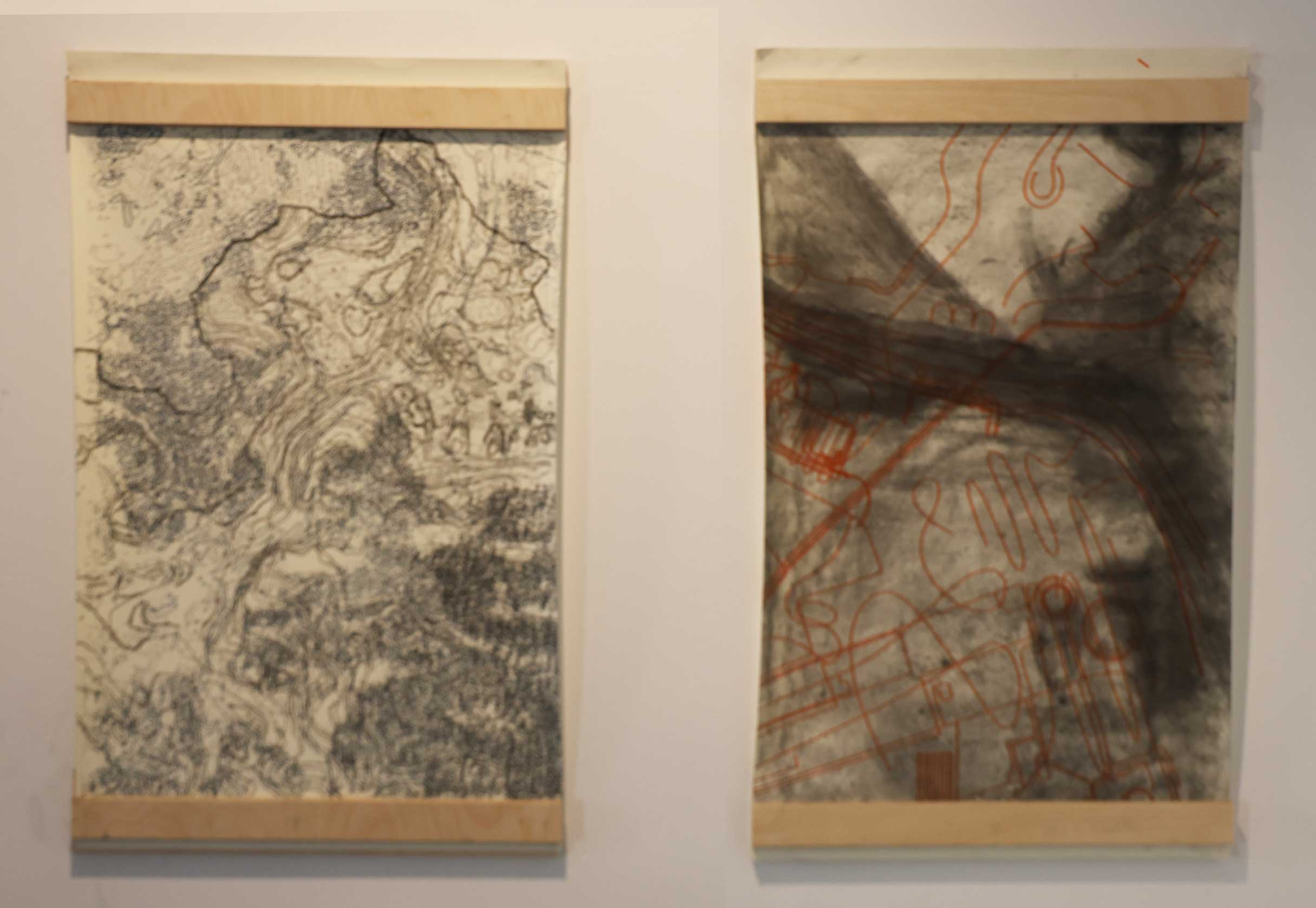
Exploring site, through the angle of labor and occupation, Move, Pick, Catch, Build uses current and former factory boundaries and precolonization landscapes to envision potential types of labor. How would the Mespeatches have transverse the swampy boundaries of the Creek? How would factory workers navigate their industrialized landscape? These vectors of movement are compared to larger systems of hydrology. Cycles of labor and water occupy the site, compressed through time, expressing the connection and artificial separation between equally commodified resources.
Building a Well in Brooklyn
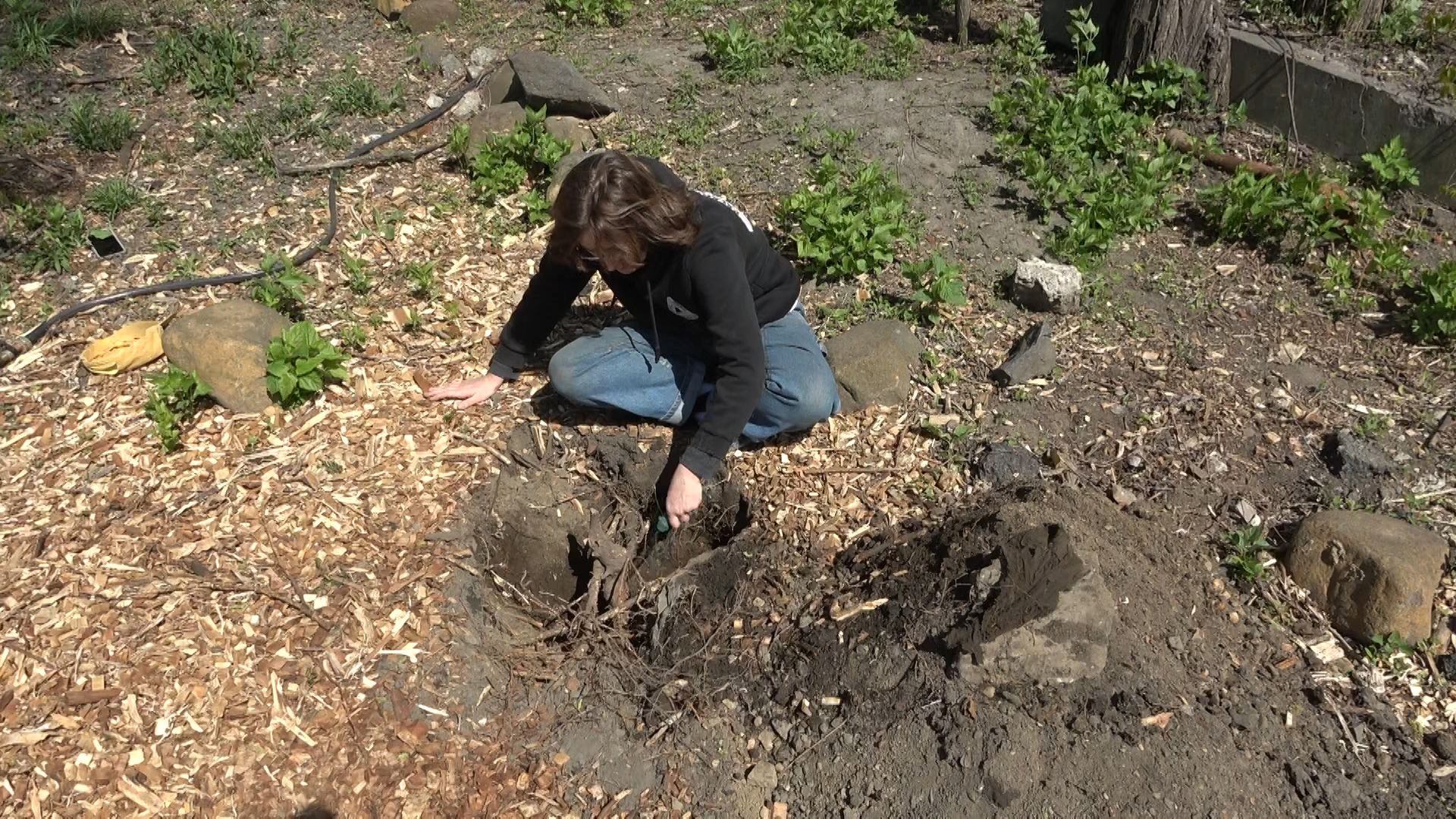
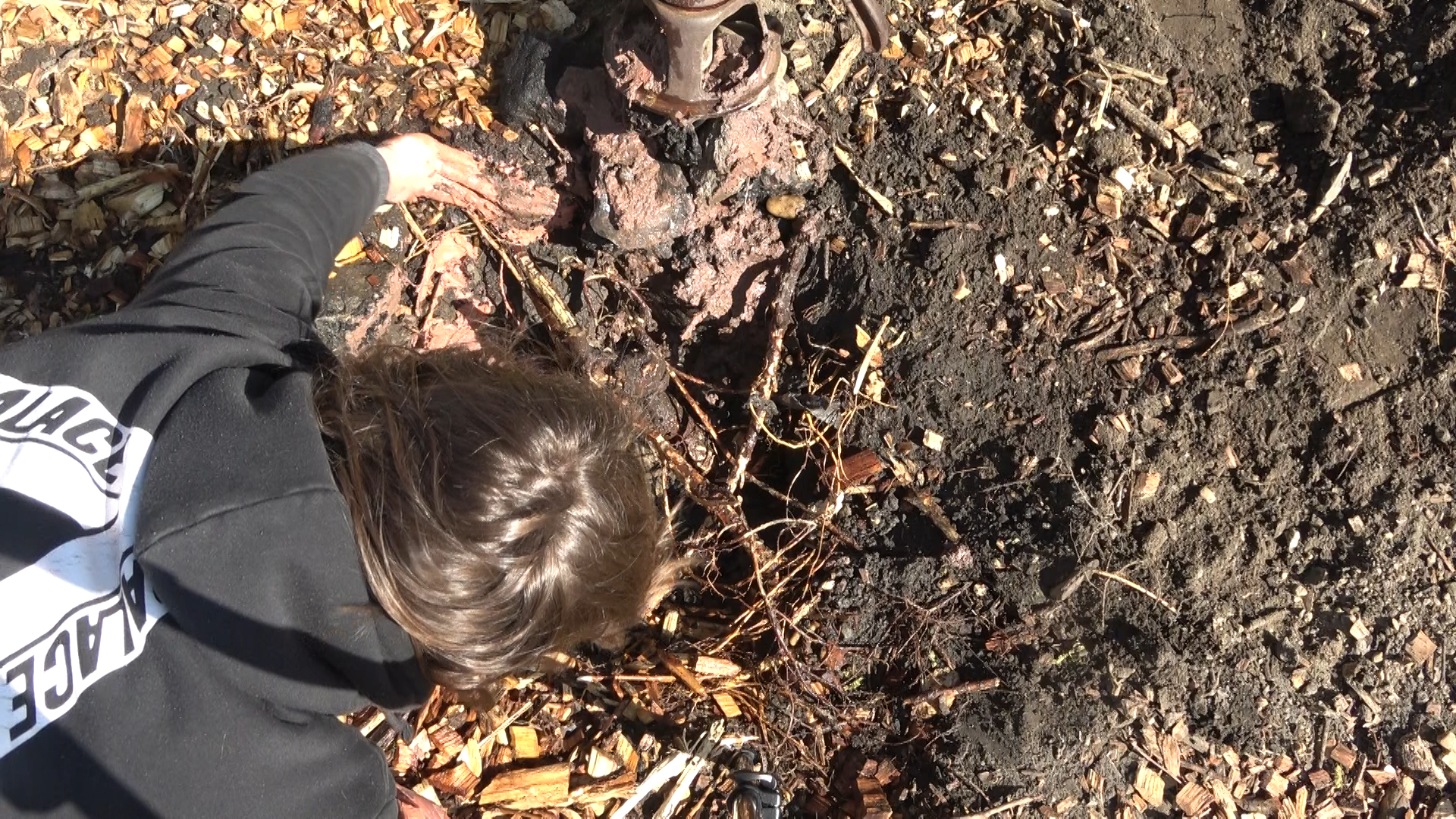
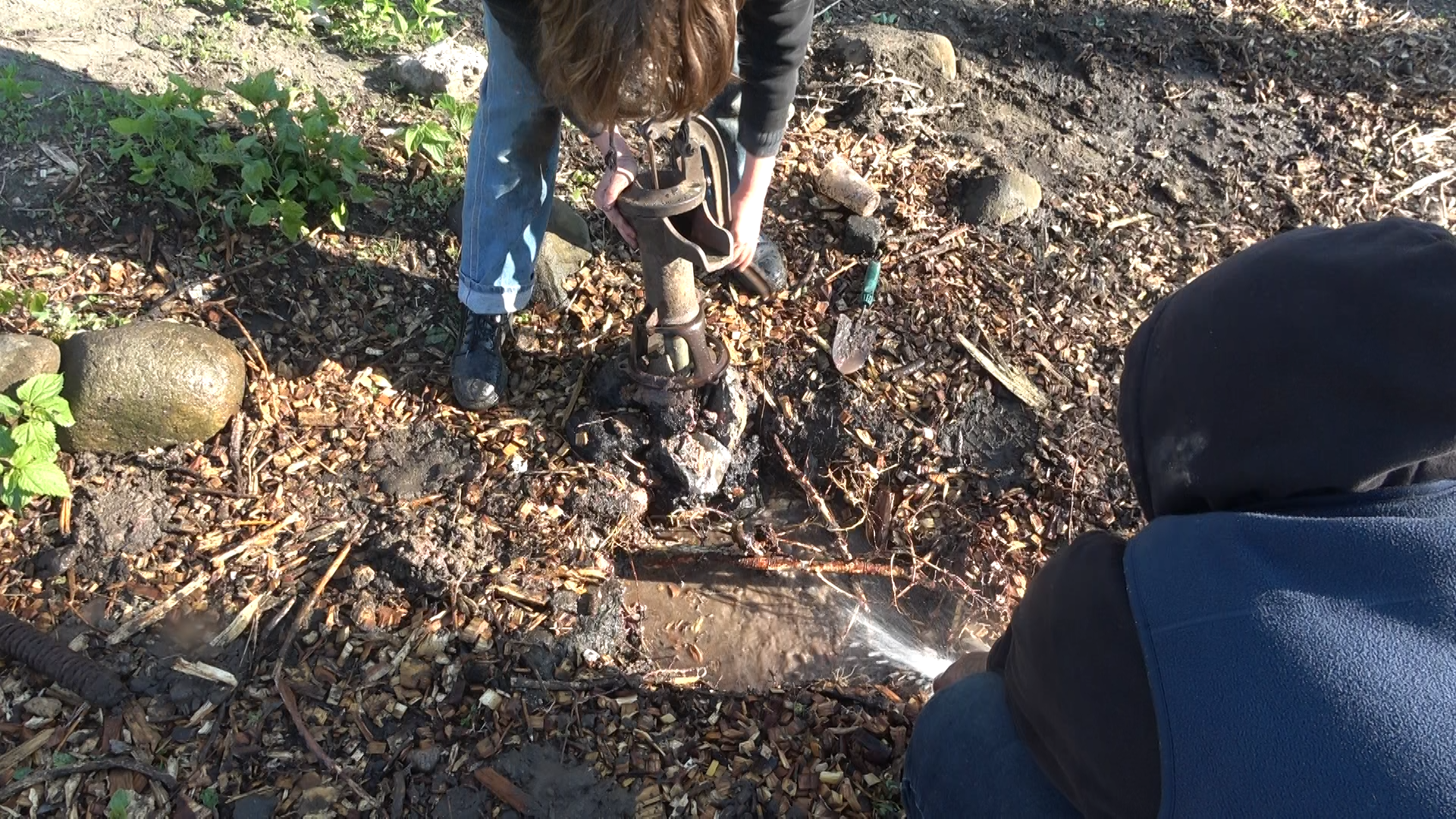
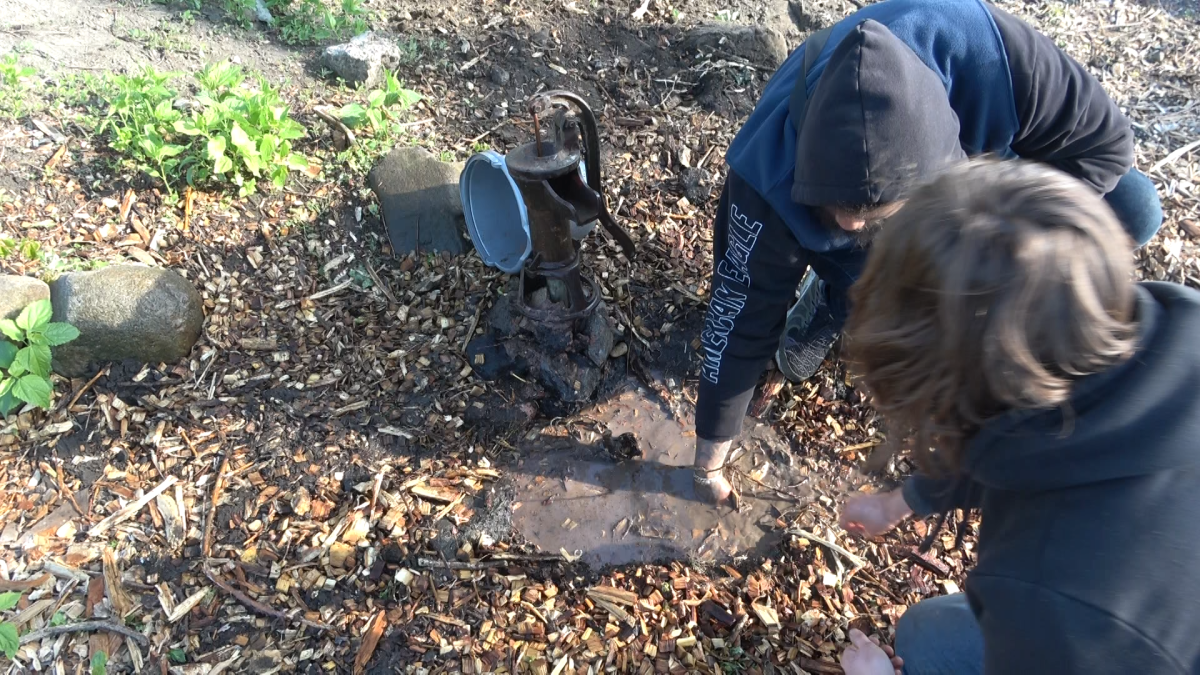
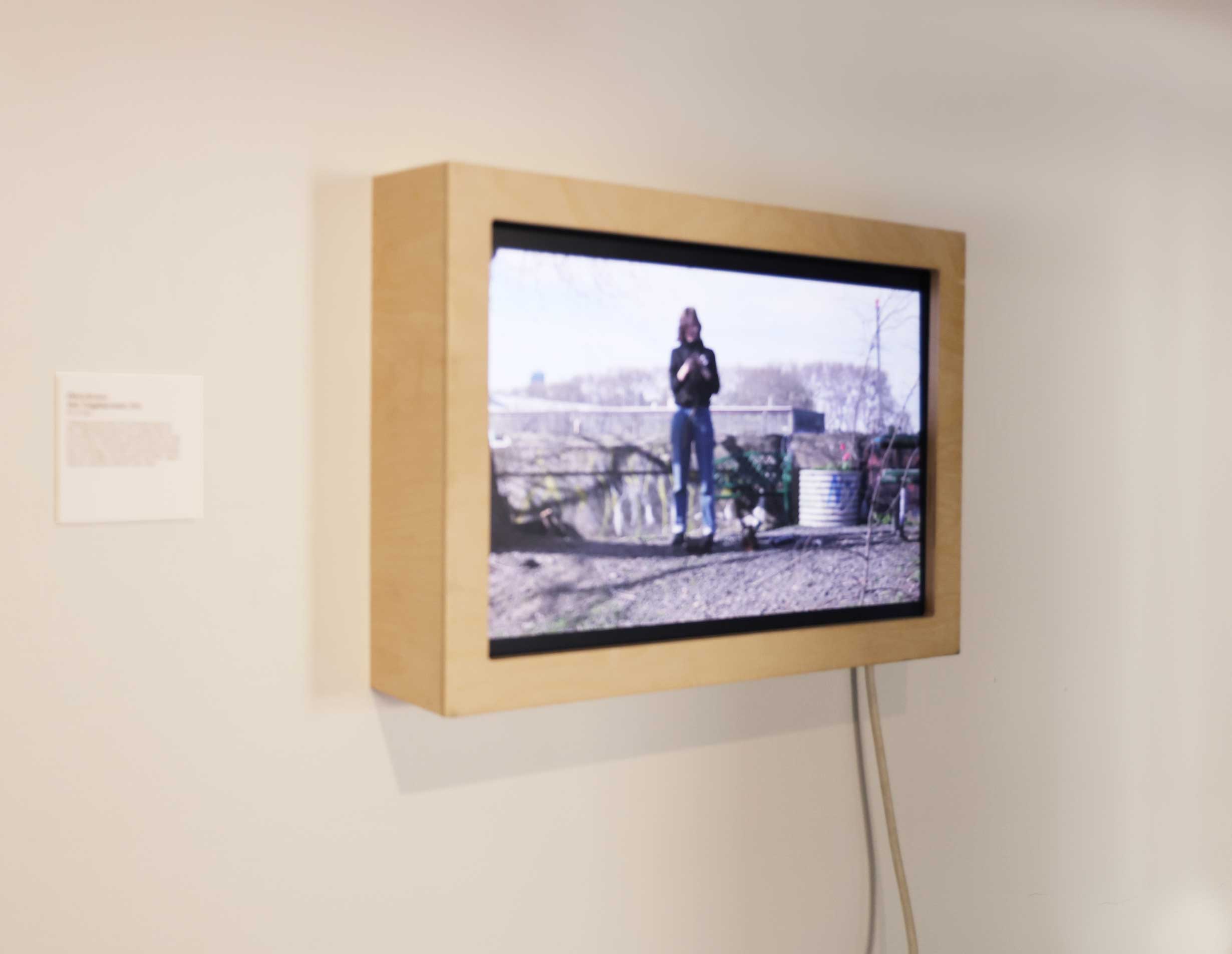
Learning about the community and site through my initial interviews, I wanted to document my physical time on site. By creating a self-perpetuating well on the site, I engage with both the soil and the surrounding community through sustained labor and time. Captured through long-form video, the work invites viewers to witness my experience in real time and consider the nature of their own labor through the act of watching mine unfold. My labor is ‘useless’ in our current system of capitalized labor, but I argue that it is an invaluable investment in my relationship to the ecological community