

ABOUT
MS DESIGN AND URBAN ECOLOGIES
The Master of Science in Design and Urban Ecologies program at Parsons radically reframes the study of and design approaches to cities. Through fieldwork, research, policy analysis, and activism, students gain a broad understanding of the complex forces that influence urban growth and development. Inspired by The New School’s long-standing commitment to social justice and design, students develop and implement innovative strategic projects that transform community organizing, the solidarity economy, food systems, public space, housing, infrastructure, public transportation, nonprofit management, cultural development, environmental equity, socially engaged art and technology, and other areas.
marketing
40%

BRIDGING DISCIPLINES AND EMBRACING COLLECTIVITY
Our approach brings together public policy, urban planning, design, advocacy, and other fields through a design-led lens. Students gain the skills to critically examine and intervene in the forces driving urban growth, restructuring, and development. By working collectively, they learn how to imagine and implement new possibilities for more just, sustainable, and resilient cities.
FROM THE CLASSROOM TO THE STREETS
Our immersion in the city as a learning practice extends far beyond academic study. Students engage in studios, seminars, fieldwork, and colloquiums that connect theory to practice, knowledge to action. Here, design is not just a profession but a methodology of inquiry and change—a way to address the urgent social, economic, political, and environmental injustices shaping urban life today. Students use New York and other world cities as living laboratories to gain an understanding of the forces that influence the processes of urban decline, restructuring, and development.
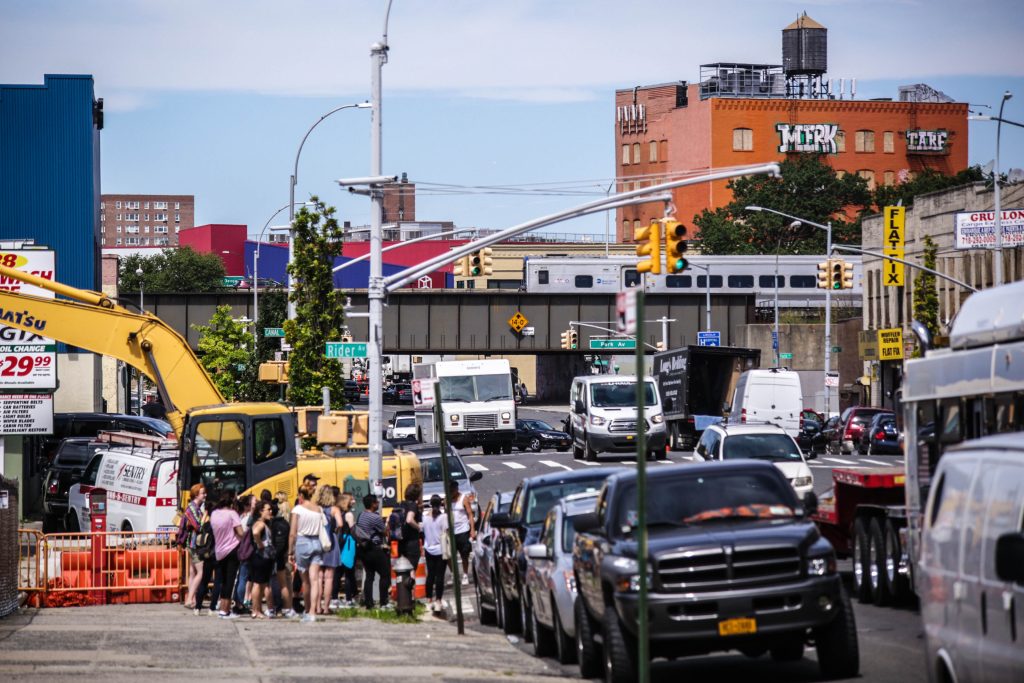
SHAPING CHANGE COLLECTIVELY
Our program fosters collaboration among students, faculty, experts, and community partners. Together, we develop new methods and practices for urban transformation, grounded in both research and activism. By working directly with communities, our students learn to see cities not only as sites of challenge but also as spaces of possibility. Embracing the fact that other ways of studying, inquiring and practicing are possible, our program seeks to contribute in the formation of a new generation of urbanists who ask bold questions, confront systemic inequities with new urban imaginaries, and prioritize collective rather than individualized action toward urban futures that are more equitable, inclusive, and sustainable.
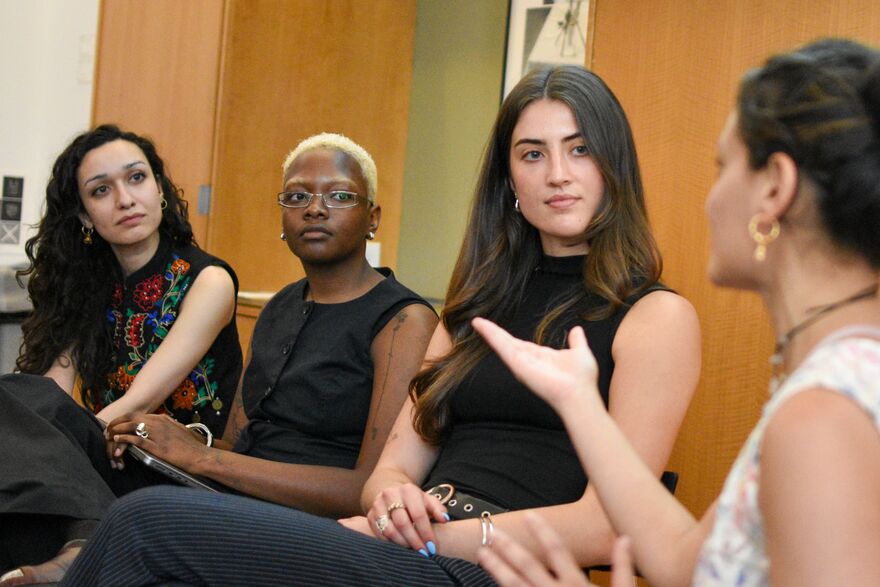
APPLICANT PROFILES
This interdisciplinary program welcomes students from a wide range of academic and professional backgrounds, reflecting the complexity of urban challenges today. Applicants often come with prior studies in the humanities and social sciences, architecture and design, law, economics, and environmental studies. The program also attracts those with experience in public policy, community organizing, activism, and the arts. Together, this diversity of perspectives and skills fosters a collaborative learning environment where students challenge one another, build critical methods of inquiry, and imagine alternative futures for cities across the globe.
MA THEORIES OF URBAN PRACTICE
The Master of Arts in Theories of Urban Practice program does not currently accept new students.
The program offers an innovative path for students interested in the critical study of design practices in the context of cities, urban space, and urban ecosystems. The program focuses on issues of design-driven spatial and ecological innovation in relation to social justice, inclusion, and co-production of urban space.
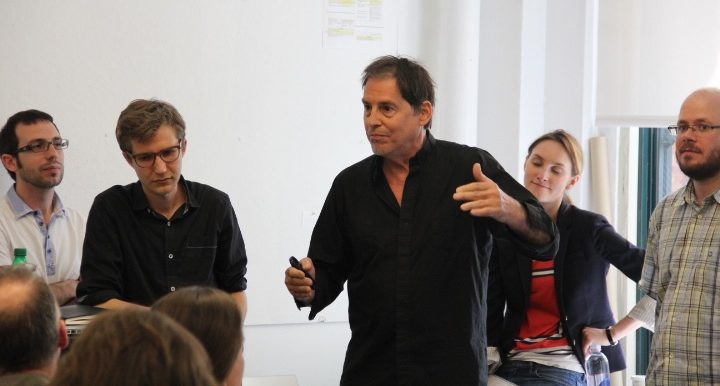
APPLIED URBAN THEORY
This 36-credit research-driven MA degree program is for students who wish to pursue advanced studies in urbanism or careers as urban researchers, designers, teachers, design critics, policy advisors, and leaders of nonprofit organizations, public agencies, and private design and development firms. Students study design as a vehicle and a catalyst for bringing together government agencies, community-based groups, civic associations, the nonprofit and the private sector in co-creating and transforming urban and ecological networks. They can take a project-based studio in Parsons’ MS in Design and Urban Ecologies program and have opportunities to participate in interdisciplinary projects offered throughout the university.
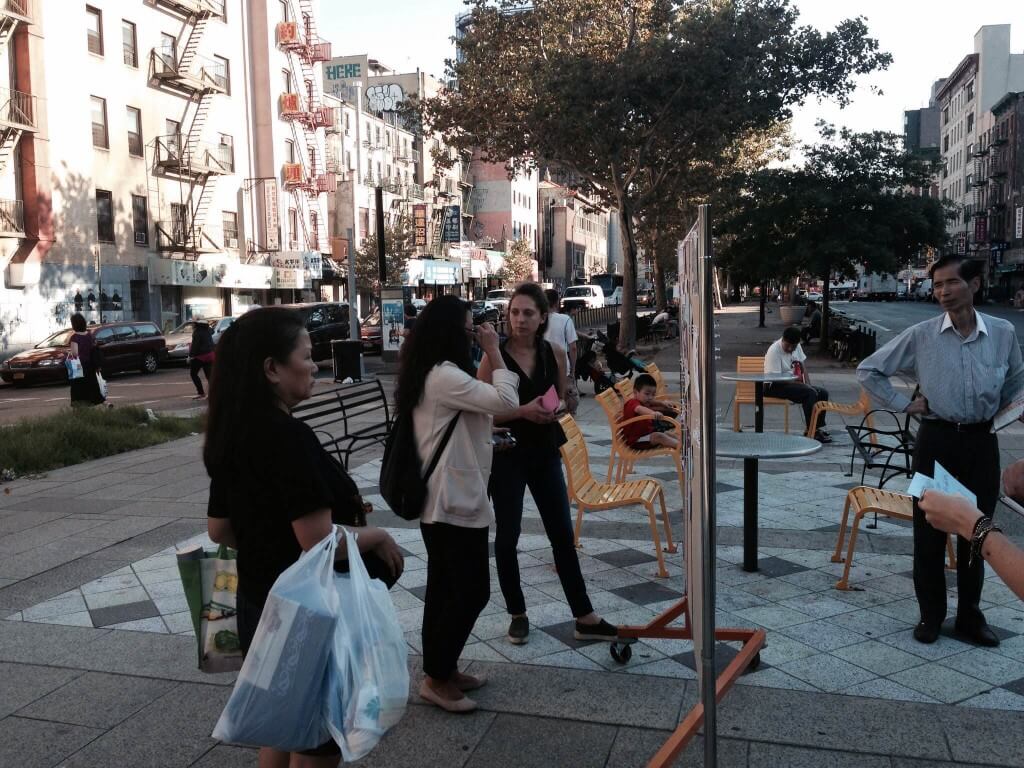
INNOVATIVE ENVIRONMENT
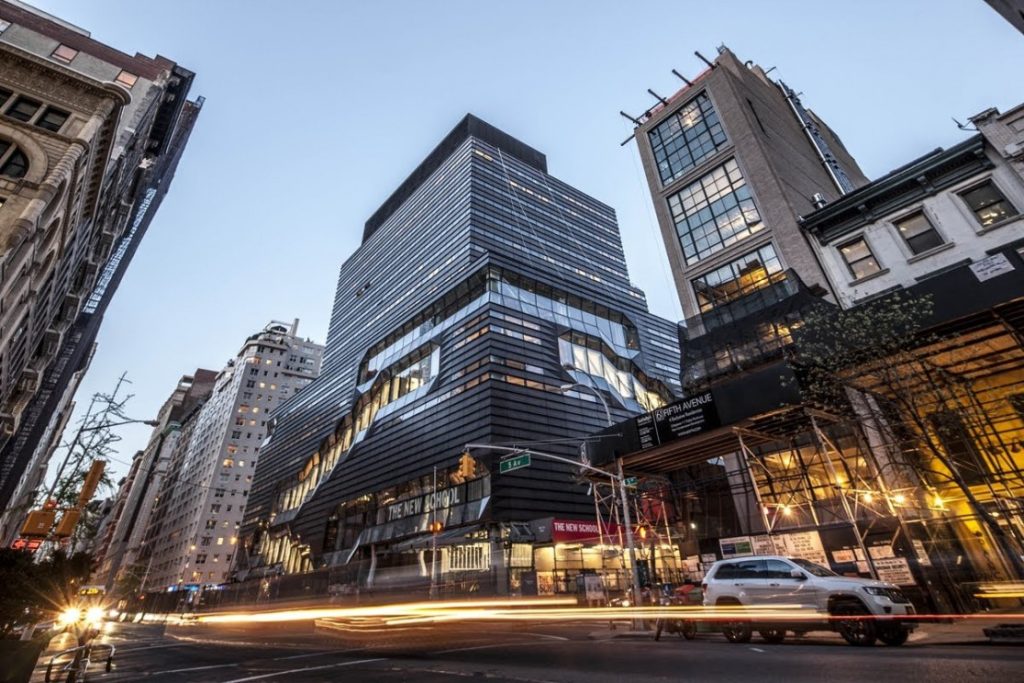
The program is housed in Parsons’ School of Design Strategies, an educational environment that fosters innovative thinking about and experimentation with the design of cities, services, and ecosystems. Parsons is part of The New School, a pioneering university located in the heart of New York City that offers some of the nation’s most respected programs in design, social sciences, liberal arts, performing arts, and management and policy.
FUTURE OPPORTUNITIES
Graduates are prepared for careers in urban design; urban and regional planning; public and urban policy; social, cultural, and environmental enterprises; community organizing; research; nonprofit management; teaching; government administration; municipal/regional development; and consulting. The program also provides a foundation for those who wish to pursue doctoral studies at top universities around the world.